Table of Content
- Quick Overview of the Best D-ID Alternatives
- 1. HeyGen : The Most Natural Step Up from D-ID
- 2. Synthesia : The Corporate Training Powerhouse
- 3. Colossyan : Best for Interactive Learning and Scenario-Based Content
- 4. Runway : For Creators Who Want Full Directorial Control
- 5. Kling AI : When You Need Photorealistic Humans and Movement
- 6. Luma Dream Machine : Rapid Ideation and Cinematic Style on a Budget
- Feature Snapshot: D-ID vs Its Top Alternatives
- Which D-ID Alternative Should You Choose?
- Final Verdict
D-ID helped popularize talking-head AI videos, but the market has rapidly evolved. Today, creators, marketers, and L&D teams want more than lip-synced avatars: they need richer editing, better localization, and tools that slot neatly into their existing workflows. In 2026, several platforms not only rival D-ID, they beat it on avatar realism, language support, or end‑to‑end video production.
In this guide, we’ll discover the six best D-ID alternatives right now, when they make more sense than D-ID, and what type of user each one really suits.
Quick Overview of the Best D-ID Alternatives
| Tool | Best For | Key Edge vs D-ID |
| HeyGen | Marketing & training at scale | Bigger avatar library, stronger localization |
| Synthesia | Enterprise training & compliance | Deep LMS ecosystem and governance tools |
| Colossyan | Interactive learning & branching courses | Branching scenarios and SCORM export |
| Runway | Creative text-to-video & editing | Director-level control over motion and style |
| Kling AI | Ultra‑realistic humans & motion | Higher realism for human-centric footage |
| Luma Dream Machine | Fast cinematic clips & ideation | Very quick, cinematic iterations |
1. HeyGen : The Most Natural Step Up from D-ID
If you’re looking for a tool that feels familiar but clearly more powerful than D-ID, HeyGen is usually the first stop. It is built around studio‑style AI avatars, multilingual voiceover, and streamlined workflows for marketing and training teams.
HeyGen places a strong emphasis on avatar realism, with a large library of digital presenters displaying micro‑gestures, head movement, and facial expressions that feel more lifelike than many legacy avatar systems. It also pushes hard on localization, letting you translate an existing script into dozens of languages while preserving tone and pacing. For teams with security and compliance requirements, single sign‑on, granular permissions, and enterprise‑grade controls make it easier to roll out across larger organizations.
Why HeyGen is a Top D-ID Alternative
● Very large avatar library targeting different demographics and presentation styles.
● Robust multilingual support, which is critical for global campaigns.
● Built‑in editor that reduces the need for separate video tools.
● Enterprise features that make it easier to standardize across teams.
HeyGen makes the most sense if you’re producing recurring content at scale think onboarding videos, product explainers, or localized ads where consistency of style and language is as important as raw creativity.
2. Synthesia : The Corporate Training Powerhouse
Synthesia has long positioned itself as the “PowerPoint for video” for corporate learning environments. Rather than focusing on splashy consumer‑style features, it aims to be the safest, most predictable choice for HR, L&D, and compliance teams who need to transform slide decks and manuals into structured training modules.
Within Synthesia, you’ll typically work from templates designed for onboarding, micro‑learning, product walkthroughs, and policy explainers. The platform offers a curated set of avatars and voices optimized for professional contexts, plus tight integrations with popular learning management systems. It also supports role‑based access, approval flows, and other governance controls that large organizations expect.
Where Synthesia Beats D-ID for Enterprise L&D
● Deep LMS integrations, SCORM/xAPI‑friendly workflows, and analytics hooks.
● Templates engineered for training and compliance rather than generic talking heads.
● Governance features: permissions, review steps, and content controls.
If your main goal is standardized employee training rather than social media or creator‑style content, Synthesia almost always provides a more structured environment than D-ID.
3. Colossyan : Best for Interactive Learning and Scenario-Based Content
Colossyan is built for teams that want their training videos to behave more like interactive courses than linear lectures. It leans into branching scenarios, quizzes, and decision points, letting you turn policies and SOPs into “choose your own path” learning experiences.
Instead of simply recording a single avatar reading a script, you can design flows where viewers’ decisions trigger different scenes, outcomes, and feedback. This is especially useful for compliance, sales training, and customer support simulations. Export options and interoperability with learning platforms make it straightforward to plug these interactive videos into existing e‑learning stacks.
Why Colossyan is a Smart D-ID Alternative
● Branching logic for realistic “what would you do?” scenarios.
● Strong alignment with e‑learning authoring and SCORM deliverables.
● Video content designed from the start for interactivity, not just playback.
Choose Colossyan when you want employees to actively engage with video content, not just passively watch it.
4. Runway : For Creators Who Want Full Directorial Control
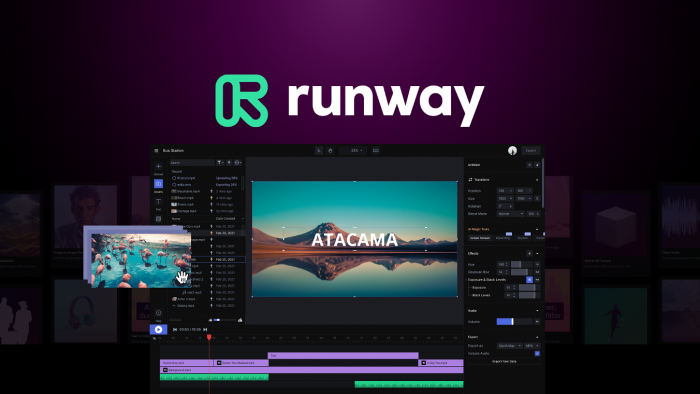
Runway sits in a different category than avatar‑first tools like D-ID. Rather than focusing on talking heads, it provides high‑end generative video and powerful editing features aimed at filmmakers, motion designers, and ambitious content creators.
With Runway, you can generate short clips from text prompts, transform existing footage, and refine motion using advanced controls such as camera paths and motion brushes. Instead of being locked into static presenter videos, you’re effectively directing entire scenes deciding how the camera moves, how subjects behave, and how different visual references blend together.
Why Runway Can Replace D-ID in Creative Workflows
● Far richer control over motion, composition, and visual style.
● Strong editing and refinement tools in the same interface.
● Better fit for music videos, concept films, and experimental content.
If you previously used D-ID simply because it was one of the first AI video tools you discovered, Runway opens the door to a much broader visual language.
5. Kling AI : When You Need Photorealistic Humans and Movement
Kling AI is part of the new wave of generative video systems that can produce incredibly realistic humans, nuanced motion, and complex scenes from short prompts. While D-ID excels at animating a single face or avatar, Kling AI aims for full‑frame realism, including body movement, environment, and dynamic camera work.
For brands pursuing cinematic ads, lifestyle content, or realistic demos without expensive shoots, this kind of fidelity is a game changer. Kling AI can handle fast motion, multiple elements in the scene, and detailed textures, making it useful when you need more than a talking head on a solid background.
How Kling AI Surpasses D-ID for Realism
● Generates full scenes instead of isolated avatars.
● Handles high‑action movement that would be difficult to film traditionally.
● Strong appeal for agencies and studios chasing near‑live‑action quality.
It’s particularly compelling for high‑impact spots where the “wow” factor matters more than having a fixed brand avatar.
6. Luma Dream Machine : Rapid Ideation and Cinematic Style on a Budget
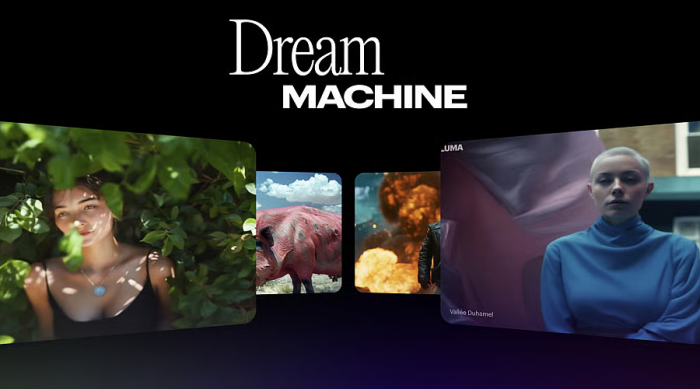
Luma’s Dream Machine is designed for speed and cinematic flair. Rather than obsessing over one perfect avatar, it helps you quickly generate short, expressive clips that convey mood, pacing, and visual direction ideal for storyboards, pitches, and social content.
You can move from text or images to video in very little time, iterating multiple versions until the style and motion feel right. Because the generation is fast and the pricing is relatively accessible, it suits solo creators, small teams, and agencies who need to experiment with many ideas before locking into a final direction.
Why Luma is a Practical D-ID Alternative
● Faster iteration loops, making it easy to test multiple creative concepts.
● Cinematic motion that looks more like film pre‑viz than simple avatar video.
● A good balance between cost, speed, and visual impact for experimentation.
Luma is best when your priority is ideation and mood pieces, not building a single consistent virtual presenter.
Feature Snapshot: D-ID vs Its Top Alternatives
| Tool | Core Focus | Ideal User Type | Strength vs D-ID |
| D-ID | Talking-head avatars | Basic explainer videos | Simple facial animation workflows |
| HeyGen | Avatar videos at scale | Marketing & L&D teams | Larger avatar set, better localization |
| Synthesia | Structured training content | Enterprise L&D | LMS ecosystem and governance |
| Colossyan | Interactive learning videos | Training & compliance teams | Branching scenarios and SCORM export |
| Runway | High-end generative video | Creators & filmmakers | Full creative control and editing |
| Kling AI | Photorealistic human motion | Agencies & studios | Higher realism and complex scenes |
| Luma Dream Machine | Fast cinematic ideation | Creators & small studios | Speed and cinematic experimentation |
Which D-ID Alternative Should You Choose?
Because each platform solves a slightly different problem, the “best” D-ID alternative depends on your primary use case, team size, and how much control you want over the final video.
● Choose HeyGen if you are a marketing or training team that needs lots of branded avatar videos in many languages and wants a straightforward, template‑driven workflow.
● Choose Synthesia if your priority is corporate training, compliance, and HR content with tight LMS integration and governance features.
● Choose Colossyan if you want employees to interact with your content through branching scenarios, decision points, and assessment‑style videos.
● Choose Runway if you are a creator, filmmaker, or agency that needs director‑level control over visuals, motion, and editing beyond simple talking heads.
● Choose Kling AI if you’re chasing ultra‑realistic human‑centric footage and cinematic scenes that look close to live action, especially for campaigns and ads.
● Choose Luma Dream Machine if your main focus is rapid ideation and cinematic mood clips so you can test many visual directions before committing.
Final Verdict
D-ID is still a solid starting point for simple talking‑head videos, but it is no longer the only game in town. For most serious use cases, enterprise learning, high‑volume marketing content, immersive training, or cinematic storytelling, specialized tools like HeyGen, Synthesia, Colossyan, Runway, Kling AI, and Luma Dream Machine now offer more depth and flexibility. The smartest move is to map your main use case (training, marketing, creative, or experimentation) to a single primary platform, then keep one or two others in your stack for edge cases and advanced creative needs.
Post Comments
Be the first to post comment!
Related Articles