Table of Content
- 1. InVideo AI : Templates And Automation For High‑Volume Output
- 2. Fliki : Voice‑First Text‑to‑Video For Narration‑Led Content
- 3. Synthesia : Studio‑Grade Avatar Videos Without Cameras
- 4. VEED : Browser‑Based Editing With Built‑In AI Support
- 5. Descript : Video Editing That Feels Like Editing a Document
- 6. RunwayML : Generative Video For Distinctive Visual Storytelling
- 7. Zebracat : Viral‑Style AI Videos With Minimal Friction
- 8. CapCut : Free, Creator‑Native Editing With Strong AI Features
- Quick View: How These Tools Compare To Pictory
- Choosing The Right Pictory Alternative
- Bottom Line
Pictory has become a go‑to text‑to‑video tool for turning blogs, scripts and long‑form content into short, social‑ready videos without advanced editing knowledge. As content operations scale and brand expectations rise, however, templated visuals, limited generative options and pricing often push teams to explore stronger alternatives.
This guide highlights eight Pictory alternatives that do more than just imitate its feature set. Each platform surpasses Pictory on at least one key dimension from voice quality and avatars to editing depth, templates and visual originality making it easier to plug the right tool into the right stage of a modern video workflow.
1. InVideo AI : Templates And Automation For High‑Volume Output
_1775565850.jpg)
InVideo AI is designed for marketers and social media teams focused on templates, campaigns and rapid production. The platform ships with thousands of ready‑made layouts and an AI engine that converts scripts or ideas into structured marketing videos in minutes, combining stock media, text overlays and transitions.
While Pictory excels at transforming existing long‑form assets into video, InVideo leans heavily into a template‑first philosophy. A project typically begins by selecting a use case such as a YouTube intro, Instagram reel, promo or listicle after which the platform suggests formats, aspect ratios and hooks aligned with each channel’s norms. The library spans thousands of templates, stock assets and pre‑built text animations, giving noticeably greater variety than Pictory’s more compact template catalog.
An integrated AI assistant rewrites, shortens or repurposes scripts into multiple versions, allowing one concept to branch into many outputs. Brand kits, shared assets and collaboration features support teams that must enforce fonts, colors and logo placements across large volumes of content.
How it outshines Pictory
InVideo pulls ahead in template depth, variety and campaign‑oriented workflows. For calendars full of ads, reels and promos where AI‑driven templates handle most of the creative scaffolding, InVideo represents a more scalable option than Pictory.
2. Fliki : Voice‑First Text‑to‑Video For Narration‑Led Content
Fliki approaches AI video from an audio‑centric perspective. The platform prioritizes ultra‑natural text‑to‑speech, multilingual output and podcast‑style narration, then builds visuals around that core audio track.
Pictory includes decent built‑in voices, but Fliki offers a significantly larger catalog across many languages and dialects, along with voice cloning for consistent brand voices. This focus makes Fliki especially strong for faceless channels, audiobooks, explainers, training materials and any format in which narration carries the message. Scripts can be created within the tool or imported, and visuals, captions and B‑roll are automatically synchronized with the spoken track.
Visual output combines stock footage, simple animations and text overlays, similar to Pictory, but with finer timing control around audio. Pauses, emphasis and pronunciation can be tuned precisely, allowing more human‑like delivery and smoother listening experiences.
Where it clearly beats Pictory
In scenarios where narration quality is paramount, Fliki moves well ahead of Pictory. For teams frustrated by robotic voiceovers or limited language coverage, Fliki’s richer voice library and detailed control over delivery offer a more compelling solution.
3. Synthesia : Studio‑Grade Avatar Videos Without Cameras
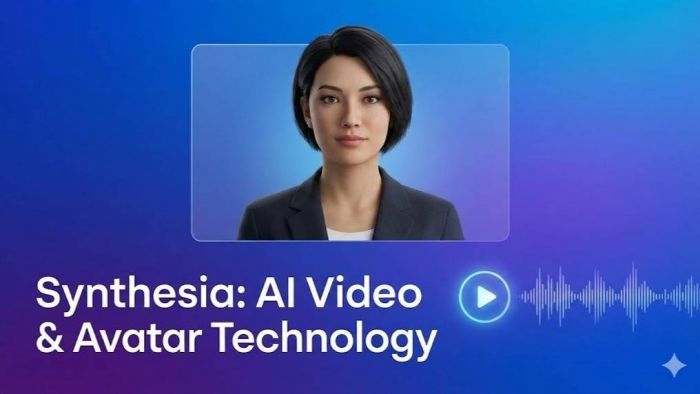
Synthesia specializes in realistic talking‑head videos built around AI avatars. The platform features a large catalog of digital presenters capable of reading scripts in multiple languages, complete with facial expressions and gestures that mimic human delivery.
Pictory focuses primarily on voiceover combined with stock material and does not compete directly with Synthesia’s avatar realism. Enterprises lean on Synthesia for training, onboarding, product demos and internal communications because presenters can be standardized, localized and kept on‑brand without live shoots. Producing a video typically involves pasting a script, selecting an avatar and language, adjusting layout and background and rendering a final asset.
Custom avatars add another layer, allowing organizations to create digital versions of real staff or ambassadors for more personalized content. Enterprise‑grade features such as SSO, team collaboration and localization flows support sophisticated internal and external video programs.
Why it has the edge over Pictory
For avatar‑led content, Synthesia occupies a different tier. Training modules, HR content and product walk‑throughs that benefit from a consistent “face” gain much higher production value than Pictory can currently provide.
4. VEED : Browser‑Based Editing With Built‑In AI Support
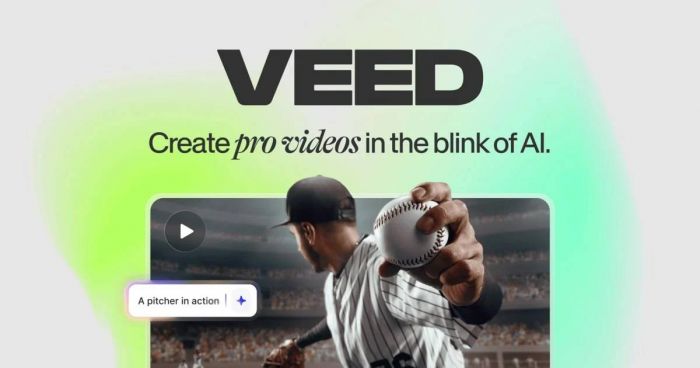
VEED acts as a modern, browser‑based video editor with AI layered in to remove friction. Instead of centering the experience on script‑to‑video conversion, the platform supports recording, editing, subtitling, repurposing and publishing from a single interface that behaves more like a traditional editor.
The standout advantage lies in the editing layer: timeline‑based control, trimming, overlays, and one‑click auto‑subtitles in many languages. For teams familiar with tools like Premiere Pro or CapCut but seeking a lighter, cloud‑native option, VEED offers a comfortable balance between power and simplicity. AI features include auto‑captions, noise reduction, translation and smart effects such as background removal.
Pictory allows basic edits such as scene trimming and clip swapping but does not attempt to rival full editors. VEED, in contrast, is designed for a wide range of tasks, from webcam tutorials and podcast edits to multi‑format exports for different platforms.
Where it clearly goes further than Pictory
Whenever granular editing and timeline control are required, VEED has a clear advantage. AI tools accelerate repetitive tasks, while the editor itself offers far more flexibility than Pictory’s template‑driven environment.
5. Descript : Video Editing That Feels Like Editing a Document
_1775565883.jpg)
Descript reframes audio and video editing as a text editing problem. After uploading footage, the platform generates a transcript, and changes to that transcript deleting sentences, rearranging paragraphs and directly modify the corresponding audio and video.
This paradigm is particularly attractive for podcasters, educators and creators working with talking‑head footage. Features such as automatic filler‑word removal, overdub (AI voice cloning), multitrack timelines and screen recording turn Descript into a central hub for repurposing. A single recording can be transformed into full‑length episodes, clipped highlights and short social videos within one ecosystem.
Pictory also provides transcription and highlight extraction but remains shallower as a transcription‑first editor. Descript’s workflow is optimized around collaborative text editing, revision and approval before final video export, aligning well with editorial teams and content studios.
How it surpasses Pictory
For long‑form editing, podcast production and talking‑head cleanup, Descript offers a much richer toolkit. Workflows that begin with recorded material and require heavy editing benefit substantially from Descript’s text‑centric approach.
6. RunwayML : Generative Video For Distinctive Visual Storytelling

RunwayML operates on the cutting edge of AI video, with an emphasis on generative visuals, motion and VFX that resemble experimental studio work. Instead of primarily combining stock assets, it enables prompt‑based scene generation, frame extension, object removal and imaginative visual sequences driven by advanced models.
Where Pictory’s results can feel templated and stock‑heavy, Runway emphasizes originality. A short description for example, “a cyberpunk street market at night with neon rain” can yield footage that does not exist in any stock library. The platform’s toolkit includes motion tracking, inpainting and simulated camera moves, supporting ambitious artistic direction.
Such capabilities make Runway attractive for music videos, trailers, concept ads, brand stories and experimental art projects. Speed and volume are less central than uniqueness and visual impact.
Where it leaves Pictory behind
In terms of visual originality and advanced AI effects, Runway sits in a different category. For teams aiming to escape the “stock footage” look and craft one‑of‑a‑kind visuals, Runway represents a clear step beyond what Pictory currently delivers.
7. Zebracat : Viral‑Style AI Videos With Minimal Friction
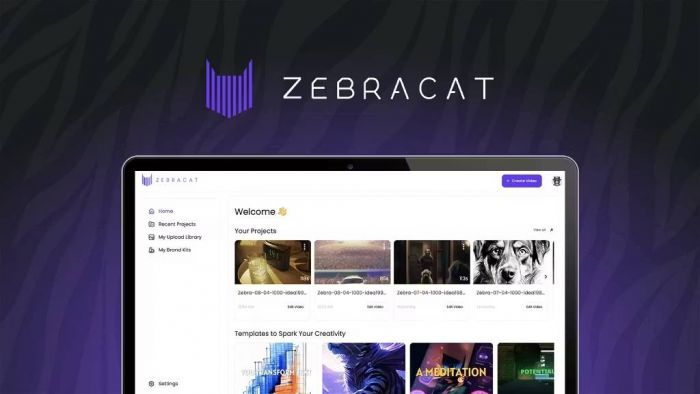
Zebracat is geared toward fast, social‑native videos that mirror TikTok and Reels aesthetics: sharp jump cuts, bold subtitles, quick zooms and meme‑friendly layouts. The platform targets marketers and creators who want near‑finished videos from text in a very short time.
Compared with Pictory’s more hands‑on scene adjustment, Zebracat automates a larger portion of the pipeline: scriptwriting, scene planning, AI voiceover, music selection and style application. AI avatars and style libraries help match outputs to trending formats or brand‑specific looks, while voice cloning keeps consistency without continuous recording sessions.
The overall experience is tuned for speed and social performance rather than deep cinematic customization. Daily content pipelines for short‑form platforms benefit most, where rapid iteration outweighs frame‑level control.
Why it wins over Pictory for short‑form
In the niche of short, viral‑oriented social videos, Zebracat often produces more native‑looking clips with less manual effort than Pictory. For high‑frequency publishing on TikTok‑style feeds, this emphasis on automation and modern styling gives Zebracat a notable edge.
8. CapCut : Free, Creator‑Native Editing With Strong AI Features
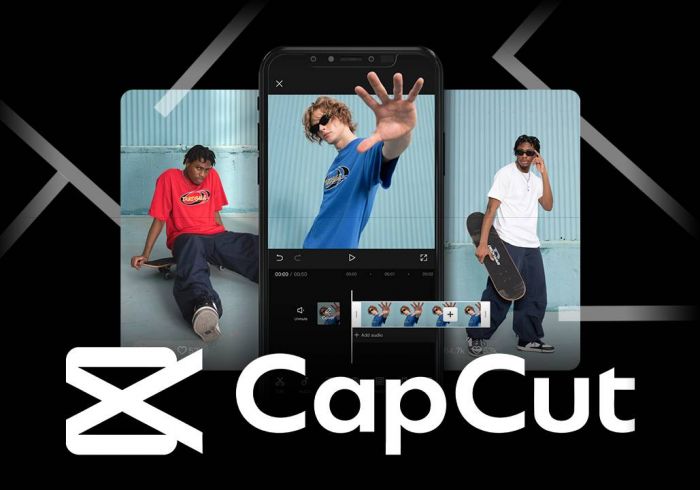
CapCut originated as TikTok’s companion editor and has evolved into one of the most capable free video editors, now including an expanding suite of AI tools. Templates, auto‑captions, background removal, voice effects, AI resizing and emerging script‑to‑video capabilities sit inside familiar mobile and desktop interfaces.
For solo creators and small brands, cost is a major differentiator. Many abilities that require a subscription in Pictory are free or available at low cost within CapCut. Deep integration with TikTok streamlines publishing and aspect‑ratio optimization, while community templates and trending formats offer a constantly refreshed library of what currently works on social feeds.
Pictory is structured primarily around repurposing long‑form content with high automation, whereas CapCut delivers a more manual but accessible editor augmented by AI helpers. Smart captions, effects and quick cuts are supported, yet the creator retains direct control over timing and styling.
Where it clearly has the advantage over Pictory
On price, platform‑native trends and community‑driven templates, CapCut holds a strong lead. For TikTok, Reels and Shorts‑centric strategies operating under tight budgets, CapCut can deliver many of the outcomes associated with paid tools like Pictory without recurring subscription costs.
Quick View: How These Tools Compare To Pictory
| Tool | Best For | Distinct Edge Over Pictory | Typical Starting Point* |
| InVideo AI | Template‑heavy marketing & social videos | Larger template library and campaign‑driven workflows | Around 20–30 USD/month |
| Fliki | Narration‑driven, multi‑language content | Rich TTS catalog and robust voice cloning | Free tier, paid from ~28 USD/month |
| Synthesia | Training and avatar‑led corporate content | Realistic avatars and advanced localization | From ~22 USD/month |
| VEED | Browser‑based editing with AI subtitles | Full editor with auto‑subtitles and timeline control | Free tier, low‑cost paid plans |
| Descript | Podcasts, courses, talking‑head repurposing | Text‑based editing and powerful overdub tools | Free tier, flexible paid plans |
| RunwayML | Generative visuals & experimental content | Prompt‑based video generation and advanced VFX | Usage‑based / subscription |
| Zebracat | Viral, short‑form social videos | End‑to‑end automation for TikTok/Reels‑style content | Free trial, paid tiers |
| CapCut | TikTok/IG/YouTube creators on a budget | Robust free editor plus trend‑driven community templates | Free, optional extras |
Choosing The Right Pictory Alternative
No single platform serves as a perfect one‑to‑one replacement for Pictory; each alternative dominates a specific slice of the video‑creation pipeline. InVideo AI is a natural upgrade for template‑heavy social and marketing campaigns, while Fliki is better suited for narration‑centric, multilingual projects. Synthesia remains the top choice for avatar‑led corporate training and explainers.
VEED and Descript shine where deeper editing and precise control over structure and pacing are required, and RunwayML is best deployed when distinctive, generative visuals are the priority. For fast, short‑form publishing, Zebracat and CapCut enable lean, rapid production with aesthetic and budget advantages.
Bottom Line
The strongest strategy is a small stack rather than a single tool: Descript or VEED for shaping core content, complemented by Fliki, Synthesia, Runway or Zebracat for specialized outputs tailored to individual channels. Such a combination does more than replace Pictory; it opens the door to higher quality, more originality and greater scalability across the entire content operation.
Post Comments
Be the first to post comment!
Related Articles