Table of Content
- 1. HeyGen – The Closest All‑Round Competitor
- 2. Colossyan – Best for Training and E‑Learning Teams
- 3. DeepBrain AI – Best for Broadcast‑Quality Realism
- 4. Elai.io – Best for Turning Existing Content into Videos
- 5. PlayPlay (with AI Avatars and Brand‑First Editing)
- Quick Overview: How These Tools Compare
- How to Choose the Best Synthesia Alternative
- Verdict
AI avatar video tools have moved from “nice-to-have” to “must-have” for brands, course creators, and marketers. Synthesia is still one of the most recognized names in this category, but it is no longer the only serious option for creating studio‑quality talking‑head videos from plain text. If you want more flexible pricing, different avatar styles, better interactivity, or specific workflows for training, marketing, or social content, there are now several strong Synthesia alternatives worth considering.
In this article, we’ll look at the 5 best alternatives to Synthesia right now, unpack who they’re best for, and explain exactly why they stand out.
1. HeyGen – The Closest All‑Round Competitor

HeyGen is widely seen as the closest like‑for‑like competitor to Synthesia for avatar‑based video creation, especially for marketing, explainer, and customer‑facing content. It combines a large avatar library, strong lip‑sync, and an easy web editor with aggressive innovation in features like photo‑to‑avatar, video translation, and voice cloning.
HeyGen offers over 1,000 ready‑made avatars, including diverse styles suitable for ads, website explainers, internal comms, and social videos. Users can turn a single photo into a talking avatar in minutes, generate videos in 175+ languages, and clone their own voice for more personalized content. The platform uses a credit‑based system, with a free tier (3 videos/month) and paid plans starting around 24–29 USD per month for creators, plus optional GenCredits packs for more advanced generation.
What makes HeyGen one of the best alternatives to Synthesia is the perceived realism of its avatars and facial animations. Reviews and independent comparisons consistently note that HeyGen’s avatars show more natural expressions and smoother movement, which can be critical for customer‑facing sales, marketing, and brand videos. While Synthesia often wins on enterprise governance and structured training workflows, HeyGen tends to win on visual quality and flexibility, making it ideal if you prioritize how “human” your presenter looks on screen.
2. Colossyan – Best for Training and E‑Learning Teams
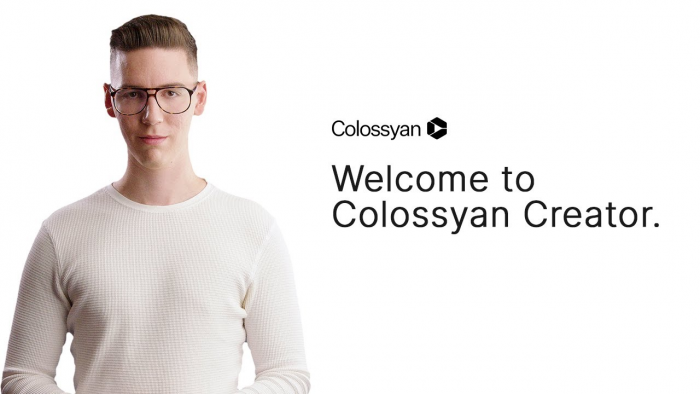
Colossyan positions itself strongly around training, onboarding, and internal communications rather than pure marketing content. If your goal is to produce structured e‑learning modules, scenario‑based training, or compliance videos at scale, Colossyan is one of the most compelling Synthesia alternatives to look at.
The platform supports AI avatars, multilingual output, and template‑driven video creation, but its real strength lies in learning‑focused features like scenario branching, SCORM compatibility, and interactive elements such as quizzes. Teams can collaborate inside the tool, apply consistent branding, and build repeatable workflows for different types of training content, from onboarding and SOPs to product education.
Pricing typically starts with a free trial and paid plans from around 27 USD per month for a starter tier, with higher tiers adding collaboration and enterprise features. Compared to Synthesia, Colossyan is often recommended when you need structured learning experiences rather than one‑off marketing videos, thanks to its focus on interactivity, course‑friendly outputs, and tooling that fits into L&D ecosystems. That makes it one of the best alternatives if you are building full training programs rather than occasional explainer videos.
3. DeepBrain AI – Best for Broadcast‑Quality Realism
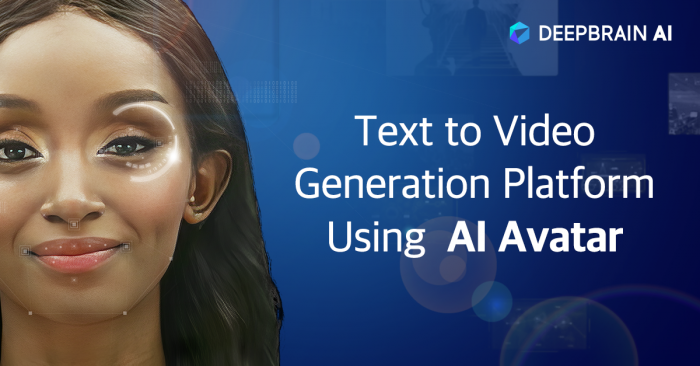
DeepBrain AI is a strong Synthesia alternative for organizations that care most about ultra‑realistic avatars and broadcast‑style quality. It is widely used in news‑style presentations, financial updates, and corporate communication where the avatar needs to closely resemble a real presenter on camera.
DeepBrain’s avatars are designed to be highly lifelike, with detailed facial expressions, subtle head movements, and smooth lip‑syncing that can work in a “studio” or “news desk” format. The platform supports multiple languages, allows you to automate recurring announcements or updates, and typically offers more advanced media features to meet enterprise expectations. Plans are usually positioned at the higher end of the market, with free trials and paid tiers starting around 29 USD per month for individuals, moving up to custom enterprise pricing.
As an alternative to Synthesia, DeepBrain stands out whenever realism is the primary buying criterion. While Synthesia also delivers professional avatars, DeepBrain is often highlighted for “broadcast‑quality” output and is particularly attractive for media companies, financial institutions, and large enterprises that want their AI presenters to look as close to real human anchors as possible. If you see your use case as closer to news or TV than to marketing snippets, DeepBrain can be the best fit.
4. Elai.io – Best for Turning Existing Content into Videos
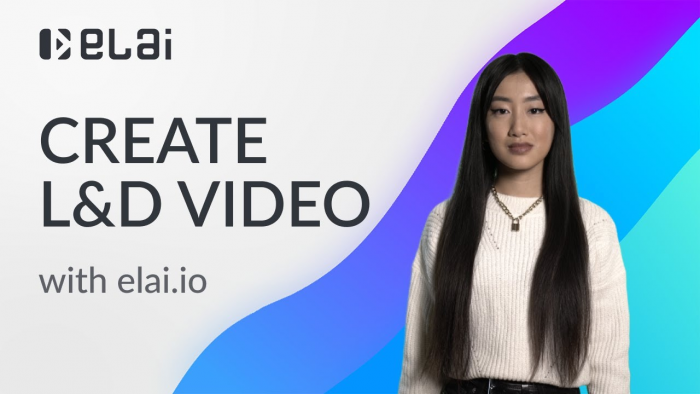
Elai.io is another mature AI avatar platform that focuses on speed and content repurposing. It lets you take scripts, blog posts, or slide decks and automatically turn them into AI‑presented videos without needing a camera, crew, or manual editing. For content teams that already produce a lot of written material, Elai.io can become a powerful automation layer on top.
The tool offers a library of high‑quality avatars and supports the creation of custom avatars, along with multilingual support to address a global audience. Its workflow is geared towards “input text, output video,” making it easy to feed in long‑form content and get a structured, chaptered video in return. This can be particularly useful for repurposing blog articles into YouTube explainers, documentation into onboarding modules, or slide decks into narrated video versions.
Elai.io earns its place as a top Synthesia alternative because of this content‑first approach. While Synthesia certainly supports script‑to‑video creation, Elai.io is often recommended when your primary workflow is repurposing written documents and web content at scale rather than creating every video from scratch. If your team lives in docs, blogs, and slide decks, Elai.io can reduce friction and give you a smoother bridge between text and finished AI avatar videos.
5. PlayPlay (with AI Avatars and Brand‑First Editing)
PlayPlay is slightly different from the classic “AI avatar” tools but is increasingly mentioned as a strong Synthesia alternative for branded business content. It is a full video creation platform with AI‑assisted features and, in some plans or workflows, support for avatar‑style presenters, but its core value lies in giving marketing and comms teams fine‑grained control over brand identity in video.
The platform provides a robust editor with templates, brand kits, and advanced controls over typography, colors, and layouts, making it ideal for companies that need every video to look on‑brand. PlayPlay is often recommended for corporate communication, LinkedIn content, internal announcements, and event promotions where motion graphics and brand consistency matter as much as the presenter. A free trial is typically available, with pricing structured around business‑oriented plans rather than individual creator subscriptions.
As a Synthesia alternative, PlayPlay is best suited to teams that want a more traditional video editor with AI support and optional avatar features, rather than a pure “text in, talking head out” model. If your use case demands strong brand governance, marketing‑ready layouts, and close collaboration between marketing and design, PlayPlay can be a better fit than Synthesia’s more templated, avatar‑centric environment.
Quick Overview: How These Tools Compare
| Tool | Best for | Key strength | Typical entry pricing model |
| HeyGen | Marketing, explainers, sales videos | Very natural avatars and expressions | Free tier, creator from ~24–29 USD/month |
| Colossyan | Training and e‑learning teams | Interactivity, quizzes, SCORM workflows | Free trial, starter from ~27 USD/month |
| DeepBrain | Enterprise and broadcast‑style use | Hyper‑realistic, “TV‑like” avatars | Free trial, paid from ~29 USD/month |
| Elai.io | Repurposing scripts/blogs/slides | Fast text‑to‑video and content reuse | Free trial, tiered paid plans |
| PlayPlay | Branded business video content | Strong brand control and editing tools | Free trial, business‑oriented plans |
How to Choose the Best Synthesia Alternative
When comparing Synthesia alternatives, start by clearly defining your primary use case. For marketing and social campaigns, prioritize realistic avatars and visually engaging layouts (like HeyGen or PlayPlay). For training and onboarding, focus more on interactivity, collaboration, and structured learning features (such as Colossyan). For corporate or news-style content, tools with studio-quality avatars like DeepBrain are better suited.
Next, evaluate avatar quality and language support. Pay attention to lip-sync accuracy, facial expressions, and how well the avatars align with your brand. Also check the range of languages, voices, and whether custom accents or voice options are available.
Then, consider how well the platform fits your workflow. Think about how easily your team can turn scripts, blogs, PDFs, or slide decks into finished videos. Some tools specialize in content repurposing (like Elai.io), while others offer stronger editing, templates, and branding controls (like PlayPlay).
Pricing and scalability are also important. Look beyond monthly costs to understand how video minutes or credits are calculated, whether collaboration features cost extra, and if the platform supports team growth with features like user roles or SSO.
Finally, test support and reliability by running a small pilot. Evaluate rendering speed, platform stability, customer support responsiveness, and how easy it is to make revisions. These practical factors often determine which tool works best in real-world use.
Verdict
Synthesia is still a strong player in AI avatar video, but it is no longer the default choice by necessity. HeyGen now offers one of the most compelling all‑round packages for realistic customer‑facing videos, while Colossyan has clearly carved out the training and e‑learning niche. DeepBrain raises the bar on broadcast‑style realism, Elai.io excels at turning existing written content into video, and PlayPlay gives marketing teams deeper brand and editing control.
In practice, the “best” alternative depends less on raw features and more on what you produce most: customer videos, training modules, news‑style updates, or branded campaigns. If you align the tool with your primary workflow and audience, any of these platforms can feel like a significant upgrade over Synthesia in day‑to‑day use.
Post Comments
Be the first to post comment!
Related Articles