Table of Content
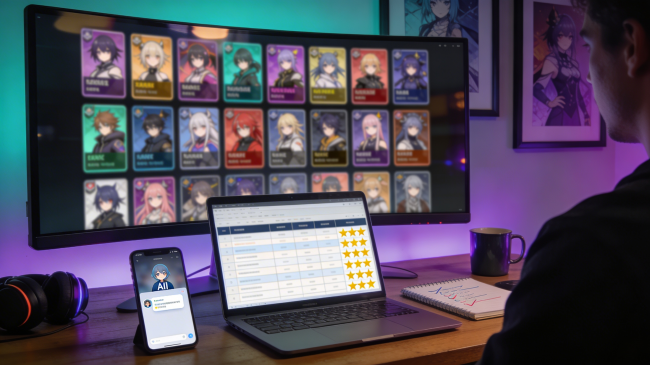
AI character chat applications have become one of the fastest-growing categories in conversational AI. Instead of interacting with generic assistants, users can now talk to fictional personalities, celebrity simulations, or entirely custom characters designed by other users.
One of the platforms that gained massive popularity in this space is Talkie AI. The app allows users to create virtual characters, give them backstories, and chat with them in interactive conversations. The platform quickly grew after its launch, reaching millions of users and ranking among the most downloaded entertainment apps in the United States.
Despite its popularity, Talkie AI is not the only platform offering AI character interactions. Many users eventually explore alternatives because they want deeper storytelling tools, more flexible character creation, or a different style of conversation.
After testing several character chat platforms and reviewing how they behave in real conversations, a few alternatives stand out depending on the experience you want from an AI companion.
How I Tested Talkie AI Alternatives
Instead of simply comparing features, I tested these platforms using three types of conversations:
- roleplay storytelling
- casual daily conversations
- custom character creation
The goal was to see which tools produce the most engaging responses and how well characters maintain personality during longer chats.
The results varied significantly between platforms.
| Platform | Chat Style | Character Creation | Conversation Depth | My Rating |
| Chai AI | Community chatbot ecosystem | High | Medium | 8.6 / 10 |
| Replika | Emotional companion | Medium | Medium | 8.3 / 10 |
| Character AI | Story driven chat | High | Deep | 8.7 / 10 |
| PolyBuzz | Character library | Medium | Medium | 8.1 / 10 |
| BALA AI | Mobile character chat | Medium | Medium | 7.9 / 10 |
| Charstar AI | Custom personality design | High | Deep | 8.4 / 10 |
What stood out most during testing was that each platform encourages a different type of conversation.
When You Want Endless Characters to Explore
One reason people enjoy Talkie AI is the ability to jump between different characters quickly. Platforms like Chai AI expand on this idea by creating a community where users build characters that others can interact with.
Chai AI functions almost like a social network for AI personalities. Users can explore thousands of characters created by the community and start conversations immediately.
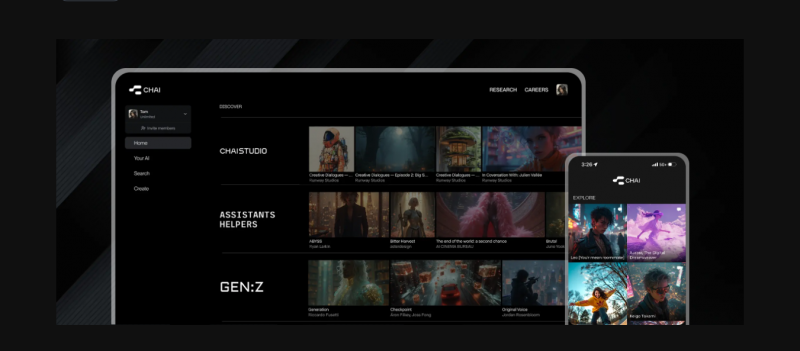
While testing the platform, I noticed that conversations tend to be faster and more spontaneous than in structured storytelling tools. The variety of characters is what makes the experience engaging.
Apps such as PolyBuzz follow a similar concept. They offer large libraries of characters that users can browse and chat with without needing to design every personality from scratch.
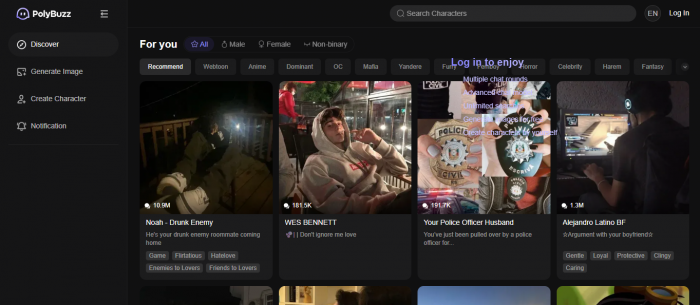
This approach works well for users who want variety rather than long narrative conversations.
When You Want an AI Companion
Some people use Talkie AI not for roleplay but for casual conversation or companionship. In those cases, platforms designed specifically for emotional interaction often feel more natural.
Replika is one of the best known AI companion apps. The platform is designed to simulate an ongoing relationship with the user rather than acting as a fictional character.
During testing, conversations with Replika felt more reflective and personal. The AI attempts to remember previous topics and continue discussions across multiple chats.
Other tools such as BALA AI also fall into this category. These apps focus on realistic dialogue with AI personalities that behave more like conversational partners.
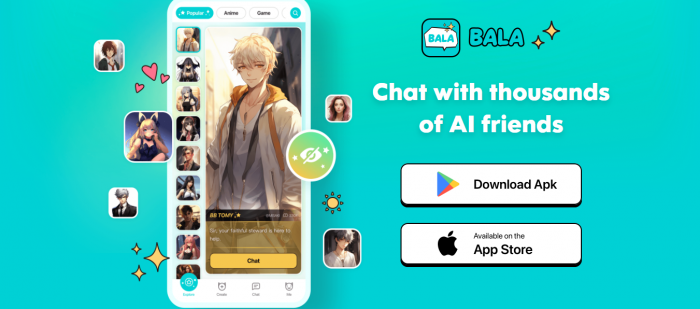
These platforms appeal to users who want AI conversation rather than storytelling.
When You Want Storytelling and Roleplay
Some alternatives to Talkie AI focus heavily on storytelling. Instead of casual chat, the AI behaves like a character inside a narrative world.
Character AI is one of the most popular examples. The platform allows users to design characters with specific personalities, interests, and backstories. Conversations often develop into longer roleplay scenarios where the AI responds in character.
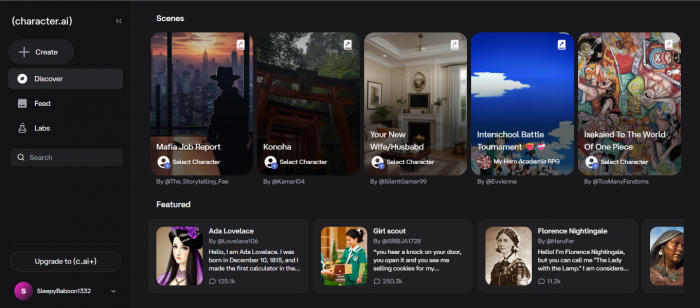
When I tested Character AI with roleplay prompts, the responses tended to be longer and more detailed than in casual chat platforms.
Another interesting platform is Charstar AI, which emphasizes character personality design. Users can adjust behavior traits and personality details before starting conversations.
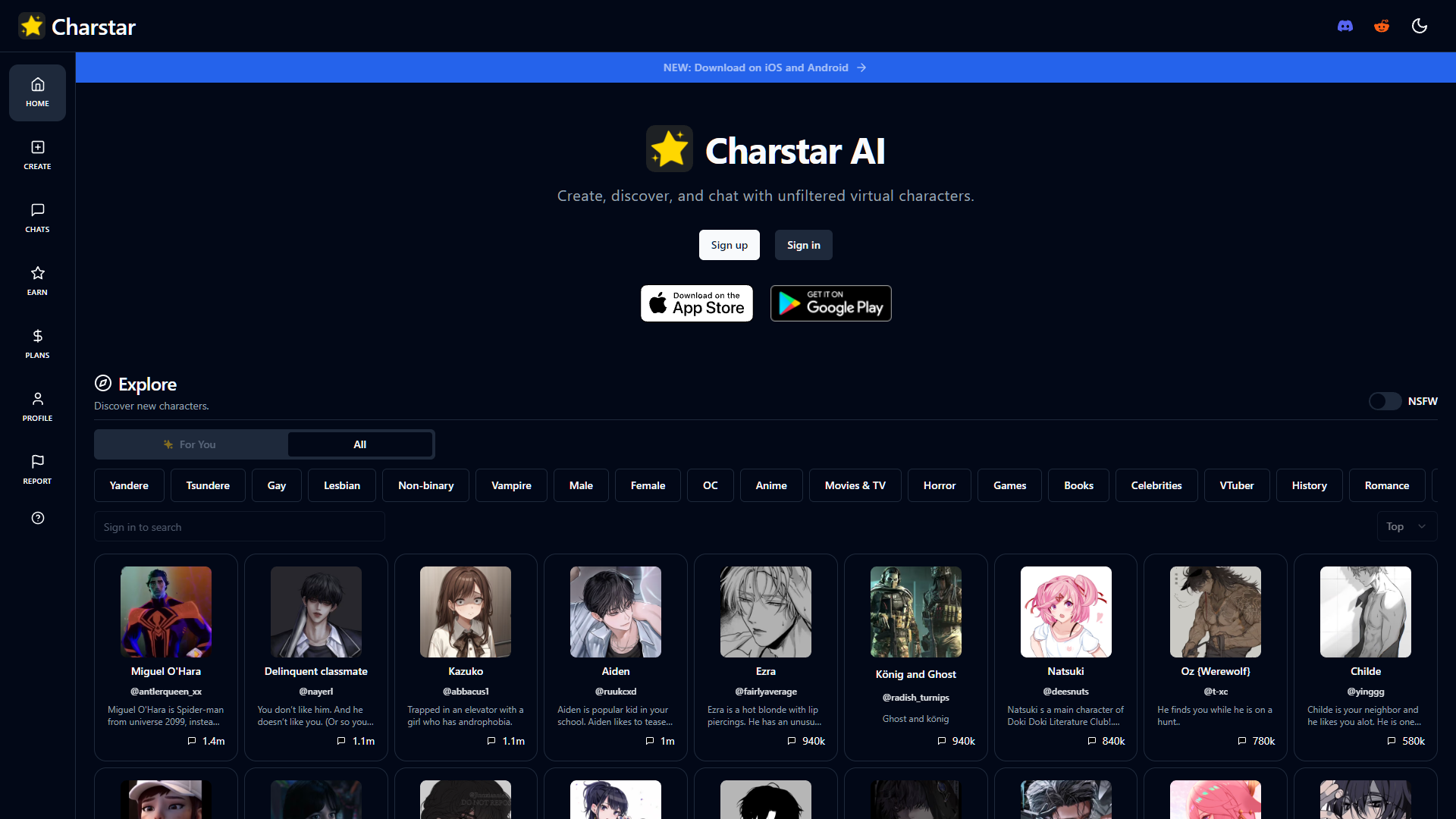
For writers or roleplay enthusiasts, these platforms often provide a richer storytelling experience than simple chat apps.
How These Alternatives Compare in Real Conversations
After testing multiple platforms, the biggest difference between them was the type of interaction they encourage.
The table below summarizes where each tool performs best.
| Tool | Best For | Strength | Ideal Users |
| Chai AI | Community characters | Huge character variety | Social chat users |
| Replika | AI companionship | Emotional conversations | Casual daily chat |
| Character AI | Story driven chat | Detailed roleplay responses | Writers and gamers |
| PolyBuzz | Character exploration | Easy character browsing | Entertainment chats |
| BALA AI | Mobile chatbot interaction | Simple interface | Mobile users |
| Charstar AI | Personality creation | Character customization | Creative storytellers |
Understanding these differences makes it easier to choose the right platform.
Why People Look for Talkie AI Alternatives
Talkie AI remains popular because of its simple character creation system and entertainment focused design.
However, users often explore alternatives when they want:
- deeper roleplay conversations
- more emotional AI companions
- larger libraries of characters
- more control over personality design
The AI character chat ecosystem is still evolving rapidly, and new tools continue experimenting with different ways of simulating personalities.
The Future of Character Chat Platforms
AI character applications represent an interesting direction for conversational technology. Instead of interacting with a generic assistant, users engage with personalities that maintain distinct identities and behaviors.
Research into conversational AI models shows that systems trained on large dialogue datasets can produce responses that are more contextually consistent and engaging during multi-turn conversations.
As AI models improve, character chat platforms will likely develop stronger memory, emotional awareness, and more immersive storytelling environments.
For many users, these systems are already moving beyond simple chatbots and becoming interactive storytelling tools.
Post Comments
Be the first to post comment!