Table of Content
- A different way to look at Grammarly alternatives
- ProWritingAid: where writing becomes structured and analytical
- QuillBot: the fastest way to rewrite and improve text
- Wordtune: making sentences sound more human
- Hemingway Editor: clarity over everything
- LanguageTool: the multilingual alternative
- Trinka and Paperpal: built for academic writing
- Ginger and Linguix: balanced everyday alternatives
- Final perspective: there is no single “best” alternative
Grammarly has become the default writing assistant for millions of users. It checks grammar, improves clarity, and helps refine tone across emails, documents, and content.
But as writing needs evolve, many users begin to look beyond Grammarly. Some want deeper analysis for long‑form writing. Others need better paraphrasing, multilingual support, or tools tailored for academic and professional use. In many cases, Grammarly feels like a generalist tool, while alternatives specialise in specific areas.
This is where the new generation of writing tools stands out. Instead of doing everything at a surface level, these platforms focus on doing one thing exceptionally well.
A different way to look at Grammarly alternatives
Rather than listing tools randomly, it makes more sense to understand them by how they improve writing.
Each alternative fits into a specific layer of writing:
| Category | Tools | Core Strength |
| Deep writing analysis | ProWritingAid | Detailed reports & structure |
| Paraphrasing & rewriting | QuillBot, Wordtune | Sentence transformation |
| Readability improvement | Hemingway Editor | Clarity and simplicity |
| Multilingual grammar | LanguageTool | Multi‑language support |
| Academic writing | Trinka, Paperpal | Research‑focused writing |
| All‑in‑one assistants | Ginger, Linguix | Balanced writing features |
This approach makes it easier to choose the right tool based on your actual writing needs.
ProWritingAid: where writing becomes structured and analytical
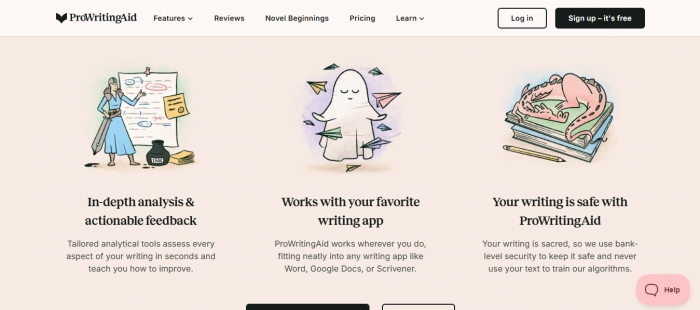
ProWritingAid is not just a grammar checker. It behaves more like a writing coach.
When you use it, the experience feels deeper than Grammarly. Instead of simple corrections, it provides detailed reports on sentence structure, readability, pacing, and style. It is particularly useful for long‑form writing such as blogs, books, and essays.
What stands out is how it explains your writing rather than just fixing it. You begin to understand patterns in your content, which helps improve writing over time. From experience, it feels slower than Grammarly but far more insightful.
My Rating - ProWritingAid
| Category | Score | Insight |
| Grammar Accuracy | 9.0 | Strong corrections |
| Writing Depth | 9.8 | Extremely detailed analysis |
| Ease of Use | 7.8 | Slight learning curve |
| Overall | 9.2 | Best for serious writers |
QuillBot: the fastest way to rewrite and improve text
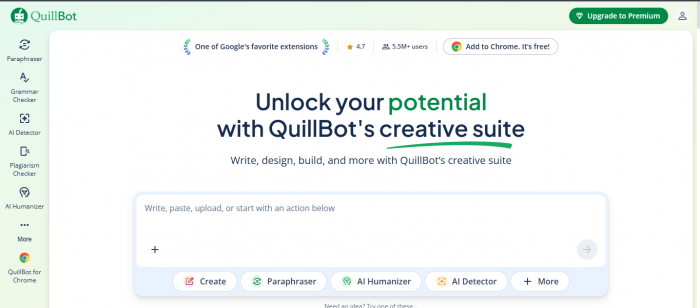
QuillBot approaches writing differently.
Instead of focusing only on grammar, it specialises in rewriting. You input a sentence or paragraph, and it generates multiple variations with different tones and structures. This makes it incredibly useful for students, marketers, and content creators who need to rephrase content quickly.
It also includes grammar checking and summarisation features, but its core strength is paraphrasing. From practical use, QuillBot feels like a productivity tool rather than a writing coach.
My Rating - QuillBot
| Category | Score | Insight |
| Paraphrasing Quality | 9.5 | Very strong rewriting |
| Speed | 9.4 | Instant results |
| Grammar Support | 8.5 | Good but secondary |
| Overall | 9.0 | Best for rewriting tasks |
Wordtune: making sentences sound more human
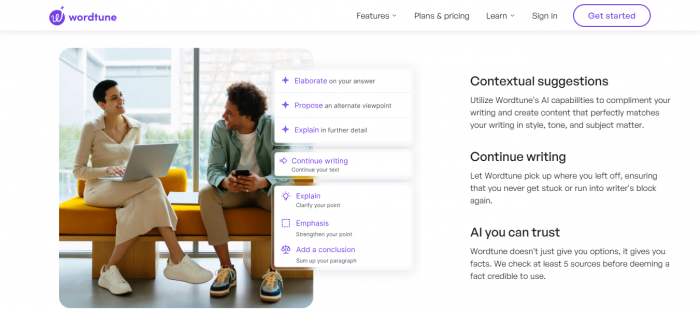
Wordtune focuses on tone and expression.
Instead of just correcting grammar, it suggests alternative ways to phrase your sentences. You can expand, shorten, or rewrite text while maintaining meaning. This makes it especially useful for emails, professional communication, and conversational writing.
In real usage, Wordtune feels more natural than many tools. It does not just correct writing, it improves how it sounds.
My Rating - Wordtune
| Category | Score | Insight |
| Tone Improvement | 9.3 | Very natural suggestions |
| Ease of Use | 9.0 | Simple interface |
| Creativity | 8.8 | Good variation |
| Overall | 9.0 | Best for communication writing |
Hemingway Editor: clarity over everything
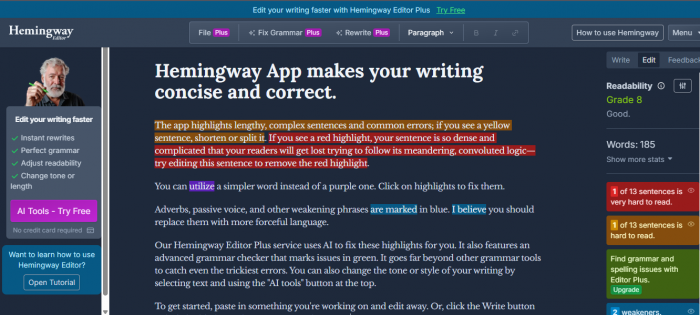
Hemingway Editor takes a completely different approach.
It does not rely heavily on AI. Instead, it highlights readability issues such as long sentences, passive voice, and complex wording. The goal is simple: make writing clear and easy to read.
Using Hemingway feels like editing your writing with a strict editor. It forces you to simplify and refine your sentences. It is not meant to replace Grammarly but to complement it.
My Rating - Hemingway Editor
| Category | Score | Insight |
| Readability | 9.7 | Excellent clarity improvements |
| Simplicity | 9.5 | Very easy to use |
| Features | 7.5 | Limited functionality |
| Overall | 8.9 | Best for clean writing |
LanguageTool: the multilingual alternative
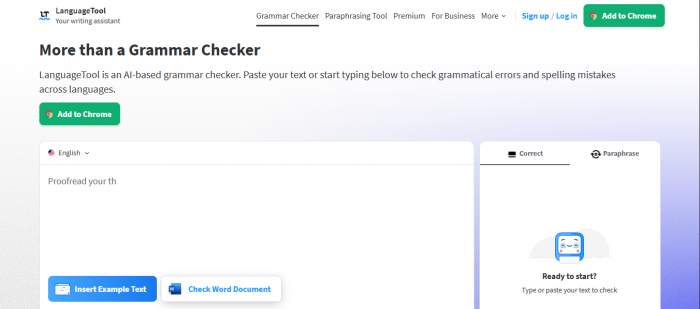
LanguageTool stands out for its language support.
While Grammarly focuses mainly on English, LanguageTool supports multiple languages and offers grammar, spelling, and style suggestions across them. It works well for users who write in different languages or need broader linguistic support.
In practical use, it feels similar to Grammarly but with wider coverage.
My Rating - LanguageTool
| Category | Score | Insight |
| Language Support | 9.6 | Strong multilingual capability |
| Grammar Accuracy | 8.8 | Reliable corrections |
| Interface | 8.5 | Clean and simple |
| Overall | 9.0 | Best for global users |
Trinka and Paperpal: built for academic writing

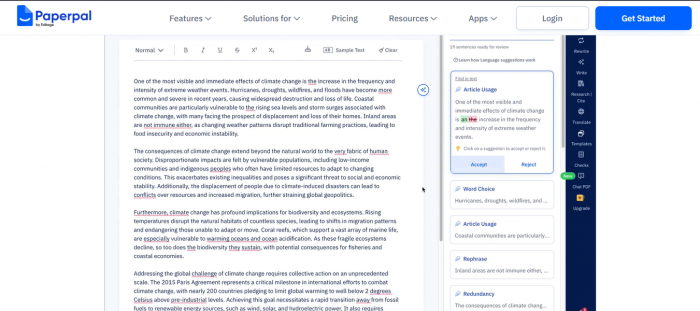
Academic writing requires a different level of precision.
Tools like Trinka and Paperpal are designed specifically for research papers, theses, and scholarly content. They go beyond grammar and focus on tone, technical accuracy, and publication readiness.
They understand academic language better than general tools, which makes them valuable for students and researchers. From experience, they feel more specialised and less flexible for everyday writing.
My Rating - Trinka / Paperpal
| Category | Score | Insight |
| Academic Accuracy | 9.7 | Excellent for research |
| Writing Suggestions | 9.0 | Strong contextual feedback |
| Flexibility | 7.5 | Limited outside academia |
| Overall | 9.1 | Best for students and researchers |
Ginger and Linguix: balanced everyday alternatives
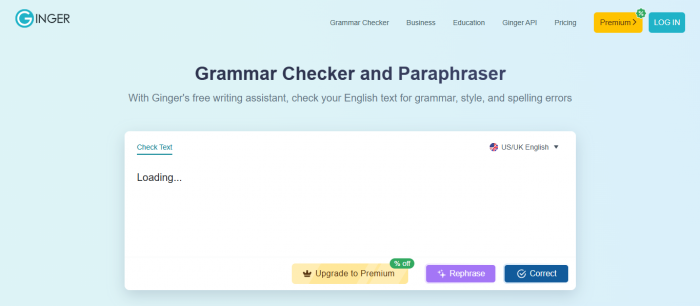
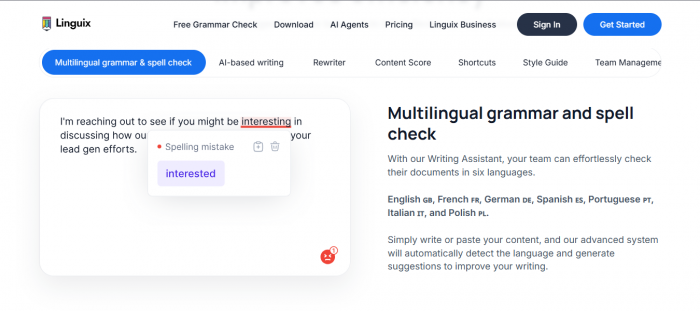
Ginger and Linguix sit somewhere in the middle.
They offer grammar correction, rephrasing, translation, and writing suggestions in one package. They may not go as deep as ProWritingAid or as creative as Wordtune, but they provide a balanced experience.
These tools are suitable for users who want a Grammarly‑like experience at a lower cost or with slight variations.
My Rating - Ginger / Linguix
| Category | Score | Insight |
| Features | 8.5 | Well‑rounded tools |
| Ease of Use | 8.8 | Simple interface |
| Depth | 8.0 | Moderate analysis |
| Overall | 8.4 | Good general alternatives |
Final perspective: there is no single “best” alternative
The biggest realisation after testing these tools is simple: there is no single Grammarly replacement that does everything better.
When you spend time with these tools, one thing becomes clear very quickly. There is no single replacement that fits everyone the way Grammarly tries to. What you end up choosing has a lot to do with how you actually write day to day.
- If your work involves content creation, especially blogs, ads, or social media, tools like QuillBot and Wordtune tend to feel more practical. They help you reshape sentences quickly, adjust tone, and move faster without getting stuck rewriting the same idea again and again.
- If your writing leans more toward research, reports, or academic work, the experience changes completely. Tools like Trinka or Paperpal start to make more sense because they understand formal language better and catch nuances that general tools often miss.
- Then there is a different category of users who care less about speed and more about improving their writing over time. For them, something like ProWritingAid feels less like a tool and more like a system that keeps pointing out patterns, weaknesses, and habits.
- And sometimes, the need is much simpler than all of that. You just want your writing to be clear, readable, and not overloaded with complexity. In those cases, even a straightforward tool like Hemingway does the job surprisingly well.
The real takeaway is not about finding a perfect replacement. It is about understanding what part of writing you want help with, because each of these tools solves a very different problem.
Post Comments
Be the first to post comment!
Related Articles