Table of Content
- When Writers Need More Than Rytr
- The best alternatives at a glance
- Jasper: best for brand consistency
- Why Jasper stands out
- Writesonic: best all-in-one SEO platform
- Why Writesonic stands out
- Frase: best for research-led writing
- Why Frase stands out
- Copy.ai: best for sales and marketing workflows
- Why Copy.ai stands out
- Scalenut: best for long-form SEO content
- Why Scalenut stands out
- Wordtune: best for polishing drafts
- Why Wordtune stands out
- Which one should you choose?
- Final verdict
Rytr deserves credit. It is affordable, easy to use, and genuinely useful for short-form writing, which is why so many people start there. But once your needs grow into longer content, SEO strategy, brand consistency, or team workflows, Rytr starts to feel more like a ceiling than a solution.
That is where the real comparison begins. The best Rytr alternatives in 2026 are not just “better AI writers.” They are more specialized tools built for specific writing jobs, whether that is SEO blogging, brand-safe marketing copy, sales automation, or editing and refinement.
When Writers Need More Than Rytr
Rytr works well for quick drafts, captions, short emails, and ad copy. The trouble starts when people try to push it into long-form content or serious SEO work.
The main complaints are consistent. Long content tends to repeat itself, the SEO tools are shallow, brand voice control is limited, and it does not offer the kind of strategic support that content teams now expect from modern AI platforms. In 2026, many writers also care about GEO visibility, which Rytr does not address at all.
The best alternatives at a glance
| Tool | Best For | Starting Price | Strongest Advantage |
| Jasper | Marketing teams and brand consistency | $49/month | Brand Voice and team workflow |
| Writesonic | SEO content teams | $49/month | Writing, SEO, and optimization in one place |
| Frase | Research-led SEO writers | $49/month | SERP analysis and content scoring |
| Copy.ai | Sales and marketing automation | $29/month | GTM workflows and AI agents |
| Scalenut | Long-form SEO content | $30/month discounted | Topic clustering and GEO articles |
| Wordtune | Editing and rewriting | $6.99/month | Polishing content you already wrote |
Jasper: best for brand consistency
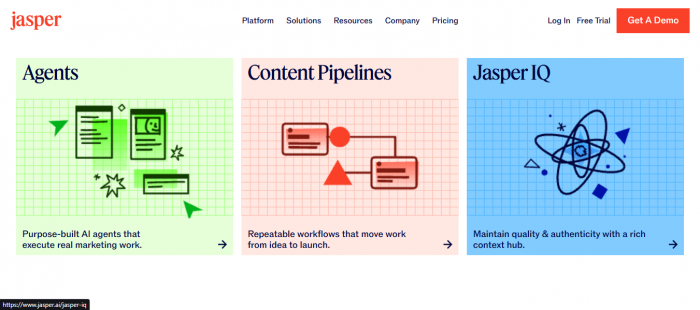
Jasper is the strongest option for marketing teams that need their content to sound consistent across many writers and many campaigns. It is not just a copywriting tool anymore. It has become a content platform built around brand governance, collaboration, and workflow management.
Its Brand Voice and Knowledge Base features are the real reason people choose it. Once you feed Jasper your style guide, product information, and existing content, it becomes much better at producing copy that sounds like your company instead of generic AI text.
Why Jasper stands out
- Strong brand voice control.
- Built for teams, not just solo users.
- Good collaboration features.
- Useful for multi-channel marketing content.
The downside is price. Jasper is much more expensive than Rytr, so it only makes sense if you actually need team-level consistency and workflow control.
Writesonic: best all-in-one SEO platform
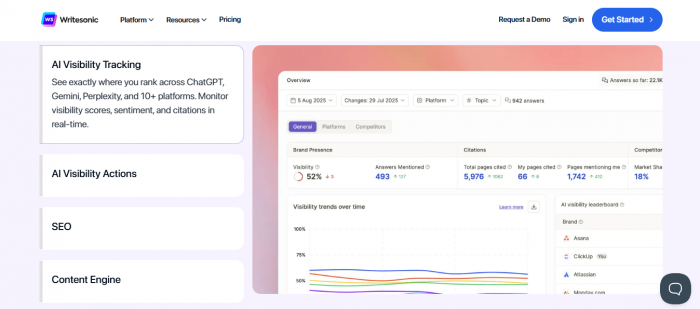
If your biggest problem with Rytr is that it does not go deep enough on SEO, Writesonic is one of the strongest upgrades you can make. It combines content generation, keyword research, site audits, and content optimization in one platform.
That matters because many teams are tired of paying for multiple tools. Writesonic helps reduce that stack by bringing writing and SEO into the same workflow. It is especially useful for content marketers who want something more strategic than a basic AI writer.
Why Writesonic stands out
- Built-in SEO workflow.
- Article generation for long-form content.
- Site audit features.
- GEO tracking on higher plans.
If you want a broader content system rather than just a writing assistant, Writesonic is a very strong choice.
Frase: best for research-led writing
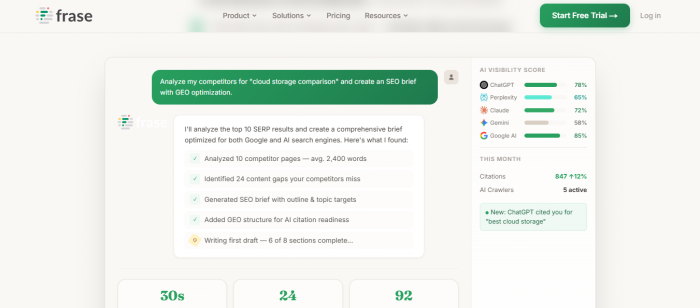
Frase is the best Rytr alternative for writers who start with search intent and SERP data. Before it even writes, it helps you understand what is already ranking and what topics your article needs to cover.
That makes it ideal for bloggers, SEO strategists, and content writers who care about ranking potential. The content scoring and brief-building tools are especially useful because they tell you what your draft is missing before you publish.
Why Frase stands out
- Strong SERP analysis.
- Fast content brief creation.
- Real-time optimization scoring.
- Great for search-focused articles.
Frase is not the best tool for social captions or short marketing copy. It is built for long-form SEO content, and that is where it performs best.
Copy.ai: best for sales and marketing workflows

Copy.ai has moved far beyond simple AI writing. In 2026, it is more of a go-to-market automation platform than a traditional copy tool.
That makes it valuable for sales teams and marketing teams that want to automate prospecting, outreach, and campaign assets. For short-form marketing copy, it often produces more polished output than Rytr.
Why Copy.ai stands out
- Strong short-form copy quality.
- AI workflow automation.
- Good for marketing and sales teams.
- Useful for campaign generation and outreach.
The key thing to know is that Copy.ai is no longer trying to be a simple writing tool. It is more ambitious than that, and its higher-end features reflect the shift.
Scalenut: best for long-form SEO content
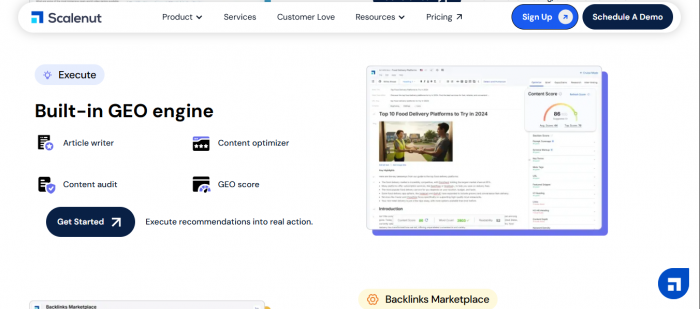
Scalenut is built for one thing Rytr struggles with most: structured, rank-ready long-form content. It focuses heavily on topical authority, keyword clustering, and content optimization.
That makes it a strong option for SEO teams and publishers who need to build content at scale. Its GEO article approach is especially useful in 2026, when visibility in AI search tools matters almost as much as traditional Google rankings.
Why Scalenut stands out
- Strong topical clustering.
- Content optimization built in.
- Good for GEO and SEO visibility.
- Useful for long-form publishing workflows.
If your content strategy is heavily SEO-driven, Scalenut is one of the most focused and practical upgrades from Rytr.
Wordtune: best for polishing drafts

Wordtune is different from the other tools on this list because it is not really trying to generate content from scratch. Instead, it helps you improve what you have already written.
That makes it a great fit for writers who can draft on their own but want help refining sentence flow, tone, and clarity. It is also one of the cheapest options here, which makes it attractive if you do not need a full AI writing platform.
Why Wordtune stands out
- Excellent rewriting support.
- Helps with clarity and tone.
- Cheap compared to most AI writing tools.
- Works well inside existing writing workflows.
If you already know what you want to say and just want it to read better, Wordtune may be the smartest option on this list.
Which one should you choose?
| Your need | Best pick |
| Brand consistency for a team | Jasper |
| SEO writing and site optimization | Writesonic |
| Research-based blog writing | Frase |
| Sales and marketing automation | Copy.ai |
| Long-form SEO articles | Scalenut |
| Editing and rewriting | Wordtune |
Final verdict
Rytr is still a solid entry-level AI writer, especially if your work is short, simple, and budget-driven. But once you need more than fast drafts, the better choice depends on the job: Jasper for brand consistency, Writesonic for SEO workflows, Frase for research-led writing, Copy.ai for marketing automation, Scalenut for long-form SEO, and Wordtune for polishing drafts. That makes Rytr less of a long-term destination and more of a starting point.
Post Comments
Be the first to post comment!