Table of Content
- What a Social Media Management Tool Should Actually Do
- Hootsuite – Best All-in-One Social Media Management Platform
- Buffer – Best for Simple and Affordable Scheduling
- Sprout Social – Best for Enterprise-Level Analytics and Reporting
- Later – Best for Visual-First Platforms
- SocialBee – Best for Content Recycling and Automation
- Agorapulse – Best for Unified Inbox and Engagement Management
- Zoho Social – Best for Budget-Conscious Businesses
- Sendible – Best for Agencies Managing Multiple Clients
- How to Choose the Right Tool
- Final Thoughts
Managing multiple social media accounts is no longer optional for brands, agencies, and creators. In 2026, businesses are expected to maintain active presences across Instagram, Facebook, LinkedIn, TikTok, X, YouTube, and sometimes Pinterest and Threads.
The challenge is not posting content. The challenge is consistency, scheduling, analytics, collaboration, and performance tracking across platforms without wasting time.
That is where social media management tools become essential.
This guide breaks down the best tools for managing multiple social media accounts, explains where each one fits, and helps you choose the right platform based on workflow needs.
What a Social Media Management Tool Should Actually Do
Before selecting a tool, it is important to understand what modern platforms offer beyond simple scheduling.
The strongest tools now provide:
- Multi-platform scheduling from one dashboard
- Content calendar visualization
- Team collaboration and approval workflows
- Unified inbox for messages and comments
- Performance analytics and reporting
- AI-assisted caption generation
- Bulk scheduling and automation
The real difference between basic schedulers and advanced management tools lies in analytics depth, collaboration support, and automation flexibility.
Hootsuite – Best All-in-One Social Media Management Platform
Hootsuite - https://www.techsuggest.io/review/hootsuite/
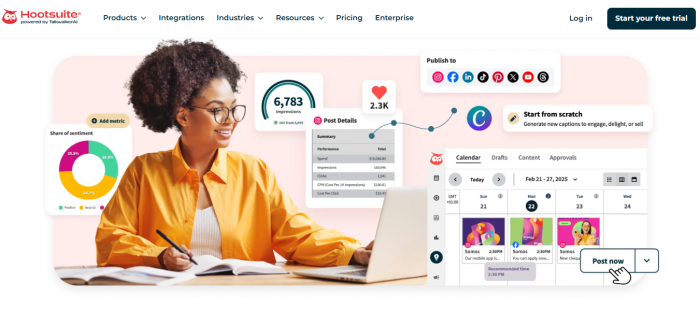
Hootsuite has been a dominant player in social media management for years. It supports scheduling across nearly all major platforms and provides strong analytics and monitoring capabilities.
The platform is particularly effective for agencies and mid-sized businesses that need centralized control over multiple client accounts. It offers performance tracking dashboards, customizable reports, and social listening tools.
Hootsuite is ideal if your priority is structured oversight and scalable account management rather than lightweight scheduling.
Best for: Agencies, growing brands, multi-client environments.
Buffer – Best for Simple and Affordable Scheduling
Buffer - https://www.techsuggest.io/review/buffer/
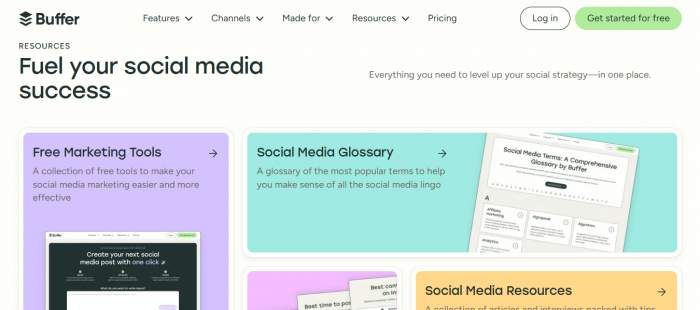
Buffer is known for its clean interface and ease of use. It focuses on content scheduling, basic analytics, and streamlined workflows without overwhelming users with enterprise-level complexity.
Small businesses and solo creators often prefer Buffer because it reduces friction. You can schedule posts quickly, organize content in a visual calendar, and track basic engagement metrics without needing deep configuration.
Buffer works best when simplicity and affordability matter more than advanced analytics or social listening.
Best for: Solo creators, startups, small teams.
Sprout Social – Best for Enterprise-Level Analytics and Reporting
Sprout Social - https://www.techsuggest.io/review/sprout-social/
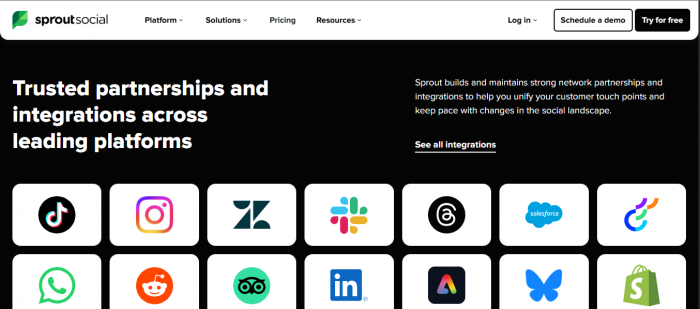
Sprout Social positions itself as a premium social media management platform. Its strongest advantage is analytics and reporting depth.
It offers audience insights, competitor analysis, engagement tracking, and advanced reporting features suitable for executive-level presentations. The unified inbox also centralizes comments and messages across platforms, making it easier to manage customer interactions.
Sprout Social is often chosen by enterprise brands that require data-backed performance tracking and structured team collaboration.
Best for: Large brands, marketing departments, corporate teams.
Later – Best for Visual-First Platforms
Later - https://www.techsuggest.io/review/later/
Later initially gained popularity for Instagram scheduling but has expanded to support multiple platforms. Its visual content calendar is particularly useful for brands prioritizing aesthetic planning.
For creators focused on Instagram, TikTok, and Pinterest, Later provides strong media preview features. It helps maintain visual consistency across feeds, which is critical for lifestyle brands and influencers.
Later excels when visual planning matters more than complex analytics.
Best for: Influencers, visual brands, e-commerce stores.
SocialBee – Best for Content Recycling and Automation
SocialBee - https://www.techsuggest.io/review/socialbee/
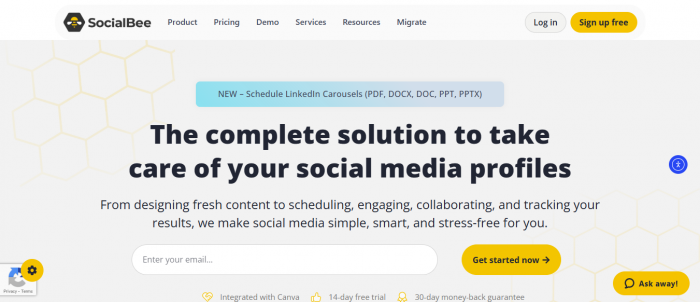
SocialBee differentiates itself through content categorization and recycling. Instead of scheduling posts one by one, users can organize content into categories and automate recurring posting.
This is particularly helpful for evergreen content strategies. Businesses that rely on educational posts, blog promotion, and recurring campaigns benefit from this structure.
SocialBee balances automation with organization, making it attractive for marketers focused on long-term content distribution.
Best for: Content marketers, evergreen strategy brands.
Agorapulse – Best for Unified Inbox and Engagement Management

Agorapulse - https://www.techsuggest.io/review/agorapulse-ai/
Agorapulse focuses heavily on engagement. Its unified inbox allows teams to respond to comments, mentions, and messages from multiple platforms in one place.
It also includes moderation rules, automated filtering, and structured assignment features. This makes it ideal for brands handling high volumes of audience interaction.
Agorapulse stands out when community management is as important as content publishing.
Best for: Customer-facing brands, support-driven accounts.
Zoho Social – Best for Budget-Conscious Businesses
Zoho - https://www.techsuggest.io/review/zoho/
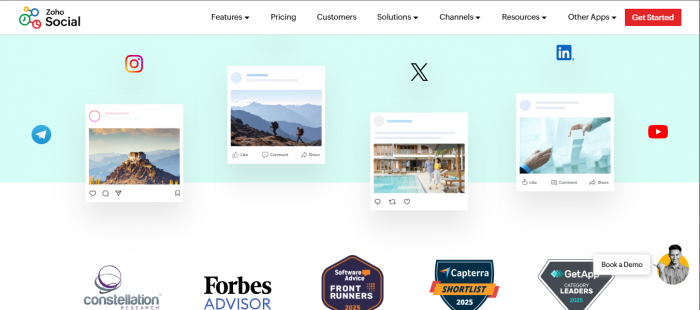
Zoho Social integrates well with the broader Zoho ecosystem and offers affordable pricing compared to premium competitors.
It includes scheduling, analytics, monitoring, and collaboration tools. While it may not match Sprout Social in reporting sophistication, it delivers solid functionality at a lower cost.
For small to mid-sized businesses already using Zoho products, integration is seamless.
Best for: Budget-focused businesses, Zoho ecosystem users.
Sendible – Best for Agencies Managing Multiple Clients
Sendible - https://www.techsuggest.io/review/sendible-ai/
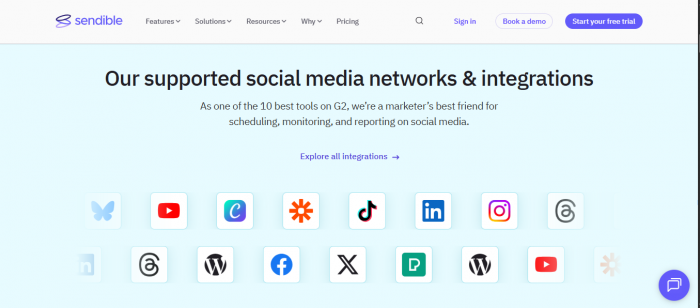
Sendible is tailored for agencies managing numerous client profiles. It allows white-label reporting, branded dashboards, and structured permission management.
Its reporting features are designed for client presentations, which makes it attractive for agencies that need clear performance summaries.
Sendible is built around client-facing workflows rather than solo creator simplicity.
Best for: Marketing agencies and consultants.
How to Choose the Right Tool
There is no single best social media management tool. The right choice depends on scale and workflow complexity.
If you manage multiple clients and need structured reporting, Hootsuite or Sendible may be ideal. If you prioritize analytics and corporate reporting, Sprout Social leads. If simplicity and affordability are most important, Buffer is practical. For visual-first brands, Later fits naturally. If engagement management is central, Agorapulse stands out. For evergreen automation strategies, SocialBee provides structured recycling. Budget-conscious teams may lean toward Zoho Social.
The decision should reflect your content volume, team size, reporting needs, and budget constraints.
Final Thoughts
Managing multiple social media accounts in 2026 requires more than just posting regularly. It requires coordination, analytics insight, collaboration, and automation.
The strongest platforms help businesses scale content distribution without scaling manual workload.
Choosing the right tool is less about popularity and more about operational alignment. When selected strategically, a social media management platform becomes a growth multiplier rather than just a scheduler.
If you would like, I can now:
• Add a comparison table for affiliate conversions
• Insert SEO meta title and description
• Create a high-CTR cover image (landscape format)
• Rewrite this into a more aggressive affiliate tone with pros and cons
Post Comments
Be the first to post comment!
Related Articles