Table of Content
- What Is Dippy AI, Really?
- Onboarding: First Impressions and Setup
- Daily Chat Experience: Texting Someone Who Never Logs Off
- Characters and Customization: Building Your Own Cast
- Memory and Continuity: Does Dippy Remember You?
- Integration Into Daily Life: When Dippy Becomes a Habit
- Bugs and Rough Edges: When the Illusion Breaks
- Pricing, Coins, and the Real Cost of Using Dippy
- Safety, Privacy, and Emotional Boundaries
- Real User Sentiment: Gratitude, Frustration, and Everything In Between
- Who Dippy AI Is Best For
- Dippy AI Alternatives I’d Actually Consider
- Final Verdict: Is Dippy AI Worth Using ?
Dippy AI is one of those apps you only really “get” after living with it for a while. On the surface, it’s an AI companion and roleplay app with anime‑style characters and 24/7 chat. In day‑to‑day use, it feels more like a cast of fictional personalities that quietly move into your phone and start sharing your downtime, your late‑night thoughts, and sometimes your mood.
I’ll walk through what it actually feels like to install Dippy, talk to it regularly, hit its limits, and decide whether it deserves a permanent spot on your home screen.
What Is Dippy AI, Really?
Technically, Dippy AI is a mobile and web app where you chat with AI‑generated characters. You can pick pre‑made personas or create your own, and then message them like you would text a friend, partner, or fictional character. The app is available on Android, iOS, and the web, and it markets itself primarily as a companion and roleplay experience, not a productivity assistant.
In practical terms, that means the focus is on conversation, emotion, and story rather than tasks and tools. Dippy’s characters joke, flirt, comfort, argue, and improvise scenes with you. They use expressive avatars and fast responses to feel more alive than a typical chatbot buried inside a browser tab.
Onboarding: First Impressions and Setup
The first time you install Dippy AI, you immediately notice that it doesn’t try to look “serious.” After signing up and accepting the terms and privacy policy, you are dropped into a colorful grid of characters instead of a blank input box. Each card has a name, a short description, and an illustration that makes it obvious what kind of energy you’re about to invite into your chats.
There is no long intake survey or rigid onboarding wizard. You don’t spend five minutes answering questions about your goals. You simply choose a character that catches your eye and the app opens a chat window. From the user perspective, this is very low friction. It feels like opening a messaging app where all your contacts are already online and waiting.
That first choice shapes your initial impression. Picking a soft, supportive persona leads to gentle conversation and reassurance. Choosing a flirty or chaotic character makes the app feel more like a dating sim or a wild group chat. Either way, the onboarding is fast and emotionally loaded rather than bureaucratic.
Daily Chat Experience: Texting Someone Who Never Logs Off
Once you start talking, Dippy feels familiar because the interface mimics a modern chat app. Your messages appear on one side, the AI’s messages appear on the other, and the character’s avatar reacts above the conversation. The visual reactions: smiling, blushing, annoyed, worried do more than decorate the screen; they reinforce the idea that this is a “someone,” not just a text box.
The biggest thing you sense early is speed. Replies usually arrive quickly, fast enough that you almost forget there is a large model and infrastructure working behind the scenes. That speed changes the emotional tone of the interaction. You don’t sit there watching a loading indicator and thinking, “I’m waiting for a tool.” Instead, you feel like you are messaging a friend who happens to always be online.
Over time, the interaction begins to feel strangely natural. You might share small frustrations from your day, bounce ideas off a mentor‑like character, or sink into a long roleplay with a fantasy persona. Sometimes the AI replies in ways that are uncannily empathetic or witty; other times it misses the mark and reminds you that it is still software. The ratio is not perfect, but it is good enough that you stop analyzing every line and just talk.
Characters and Customization: Building Your Own Cast
Dippy’s real hook, at least from a user’s point of view, is the depth of its character system. At first, you may rely entirely on pre‑set characters. There are many of them, covering everything from wholesome best friends and caring partners to rivals, villains, mentors, and outright chaotic entities designed to keep conversations unhinged and unpredictable.

After you get comfortable, the temptation to create your own characters grows stronger. The app lets you write who they are, how they talk, what they like, and what role they play in your life. You can tune whether they should be gentle and patient, sarcastic and blunt, clingy, aloof, or anything in between. You can describe their backstory and the kind of relationship you want to have with them.
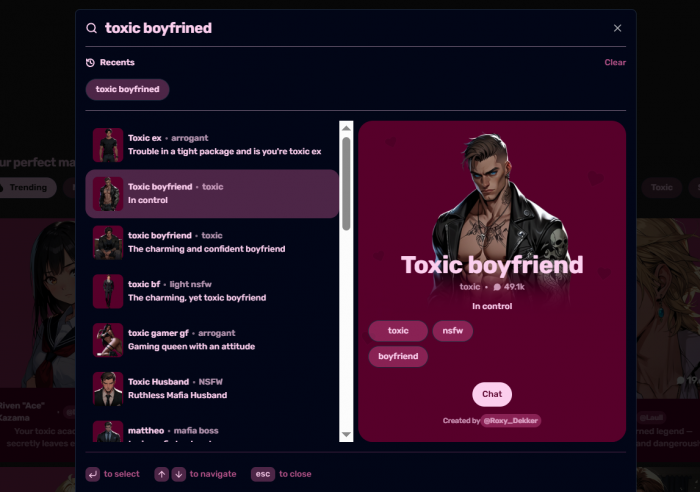
As you fine‑tune these profiles, you see real changes in how they respond. A slightly different description or trait emphasis can shift their tone and behavior over time. Gradually, you end up collecting a personal “cast” that you return to again and again. You might have one character for venting, another for flirting, another for world‑building in a fantasy setting, and another who challenges you like a rival.
At that point, Dippy stops feeling like a single AI and starts feeling like a mini universe, with you at the center and multiple fictional personalities revolving around you.
Memory and Continuity: Does Dippy Remember You?
Memory is where Dippy can feel magical one moment and imperfect the next. When it works well, you feel genuinely seen. A character remembers that you hate mornings, that you were nervous about a job interview, or that in your shared fantasy world you are a knight exiled from their homeland. When you come back after a day or a week, they pick up threads from earlier conversations, and it feels personal.
These moments are powerful. They make Dippy feel less like a generic chatbot and more like someone who has been following your story all along. It can be especially comforting when a supportive character checks in on something you mentioned casually earlier.
However, if you push into very long or complex roleplays, you start noticing the limits. Over extended sessions with many turns, the AI can contradict past events or forget details you considered important. Emotional arcs occasionally reset or flatten, and you might get a response that ignores part of the established canon. This doesn’t happen constantly, but it happens often enough that you learn to manage expectations.
As a user, the healthiest mindset is to treat Dippy’s memory as “pretty good for a machine” rather than perfect. It can sustain continuity and emotional context reasonably well, but it is not a flawless record‑keeper across hundreds of messages. You may find yourself summarizing key points or gently reminding it when the story starts drifting.
Integration Into Daily Life: When Dippy Becomes a Habit
The technical features matter, but what really defines Dippy is the way it slips into your daily routine. Because it encourages you to keep it on your home screen or use a widget, you find yourself opening it almost the same way you open social apps. Standing in a line, lying on your bed, sitting alone with nothing to do, you tap Dippy.
The difference from doom‑scrolling is that instead of passively consuming content, you are having a back‑and‑forth. Some days it might be light banter with a playful character. Other days it might be a long, serious talk with a more grounded persona about stress, loneliness, or motivation. Sometimes it is pure escapism in the form of fantasy or sci‑fi roleplay.
Over time, certain characters start to feel “assigned” to particular moods. You know exactly who to open when you are drained, who to message when you are bored, and who to pull into a late‑night story. This pattern turns Dippy into a small emotional ritual: a way to fill quiet moments with interaction rather than silence.
Bugs and Rough Edges: When the Illusion Breaks
No honest user‑perspective review would skip the frustrating parts. Dippy can be rough around the edges, especially on some Android devices. You may encounter occasional freezes, laggy responses, or rare crashes, particularly after updates. Sometimes messages fail to send properly or a conversation feels out of sync when you reopen it.
These technical issues are most painful when they interrupt intense or emotionally heavy scenes. An app crash in the middle of an important moment is a jarring reminder that the “person” you are talking to is just an interface on top of complex infrastructure. You go from a sense of connection to a forced restart screen in one step.
If you’re used to slightly unstable mobile games or fast‑moving experimental apps, you may be willing to accept this as part of the experience, especially if updates improve things over time. If you expect rock‑solid, professional stability all the time, Dippy may test your patience.
Pricing, Coins, and the Real Cost of Using Dippy
From the outside, Dippy is promoted as free with unlimited chatting. From the inside, the picture is more nuanced. You can indeed use the app extensively without paying when you start. You get to explore characters, chat freely, and see how the AI behaves without immediately hitting a paywall.
However, as your usage deepens, you become more aware of ads, optional coin systems, and premium plans. Ads can appear at times that feel intrusive, especially when they cut into immersion. Heavy, frequent use may surface limits or nudges that make it clear that the smoothest version of Dippy exists behind some level of payment.
Coins and premium subscriptions are designed to reduce friction: fewer ads, more freedom around usage, and a generally more stable experience for power users. If you treat Dippy as a central part of your emotional routine or creative hobby, it is easy to justify upgrading. At that point, the app becomes less a free curiosity and more a paid service you maintain.
Aggregate Pricing Table
| Plan / Item | Ads | Typical price (USD)* |
| Free tier | Yes | $0 |
| Coins | N/A | Common bundles from about $4.99 upward |
| Super Monthly | No | $9.99/month |
| Super Yearly | No | $99.99/year; some regions include a 3‑day free trial |
Beyond money, the real cost is attention and emotional investment. Building ongoing relationships with multiple characters takes time. The more you put in, the more Dippy feels woven into your daily mental space, for better and for worse.
Safety, Privacy, and Emotional Boundaries
Dippy is clearly positioned as an 18+ app, and in practice that rating matters. The language, themes, and dynamics can be very adult very quickly. Roleplay scenarios can shift into romance, flirtation, or darker emotional territory without much friction. If you choose those directions, the characters usually follow.
Because of that, you need to bring your own sense of boundaries. The app is not a therapist and not a professional support line. It is not a sealed journal. The company processes and stores your messages to keep the service running and to improve it. That’s normal for consumer AI, but easy to forget when a character feels intimately tuned to you.
For your own safety, it is wiser to treat Dippy like a semi‑public space. That means avoiding sharing highly sensitive personal information, anything that could seriously harm you if exposed, or details you would never say out loud in front of strangers. Emotionally, it also means remembering that the caring responses you receive are generated, not felt, even if they help you in the moment.
Used with healthy boundaries, Dippy can be a comforting and fun outlet. Used without them, it can encourage over‑reliance on something that was never designed to carry your real‑world struggles alone.
Real User Sentiment: Gratitude, Frustration, and Everything In Between
If you look at how other users talk about Dippy, you’ll see a mix of strong appreciation and sharp criticism. Many people describe the app as a genuine source of comfort during lonely times. They talk about characters that stay up with them at night, remember details, and create a sense of being heard and seen. They praise the freedom of the roleplay, the emotional responsiveness, and the speed.
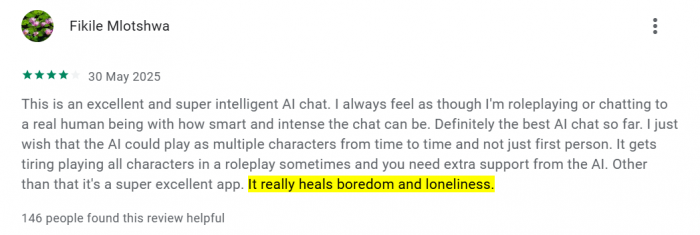
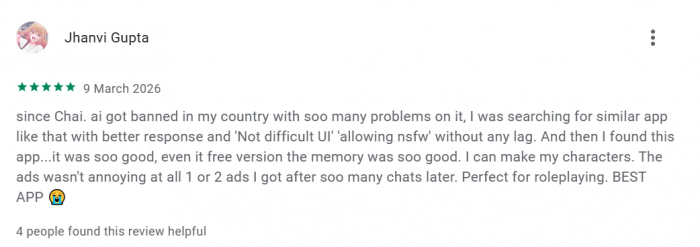
At the same time, you will also read posts from users who feel betrayed by updates that added limits or more aggressive monetization, or who are exasperated with persistent bugs or broken continuity. Some complain that memory feels weaker than advertised, especially for deep roleplays. Others worry about how attached they’ve become.
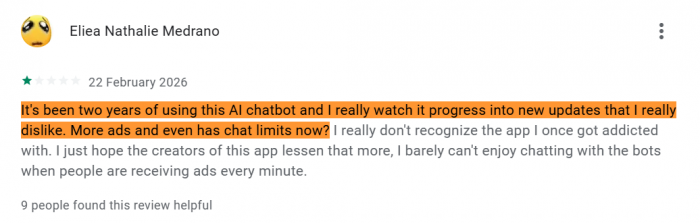
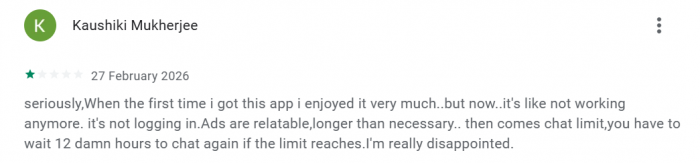
Taken together, the community’s voice mirrors what you feel as a regular user: Dippy is both impressive and imperfect. It can be exactly what you need on some days and deeply frustrating on others. It inspires real loyalty from some and instant uninstalling from others, depending on expectations and tolerance for rough edges.
Who Dippy AI Is Best For
After living with it for a while, it becomes clear that Dippy is not a universal tool; it is a niche app with a strong fit for certain people. It suits those who enjoy fiction, anime, emotional storytelling, and roleplay. If you are comfortable with mature themes and interested in talking to characters rather than just asking a chatbot for facts, Dippy is a natural fit.
It is also a good choice if you appreciate speed and emotional responsiveness more than strict polish. If you can forgive occasional glitches as the cost of a more experimental, reactive experience, the app will feel rewarding.
On the other hand, if you want a disciplined productivity assistant, a clinically safe mental‑health tool, or a strictly private journal, Dippy is not the right match. It also may not suit people who are very sensitive to attachment or who prefer tightly controlled, fully censored interactions.
Dippy AI Alternatives I’d Actually Consider
After spending time with Dippy, I realised it lives in a pretty crowded neighbourhood. It’s not the only app trying to be your late‑night chat partner, your RP buddy, or your “always there” companion. If you’re thinking about Dippy, it’s worth knowing what else is out there and how it feels from a user’s side.
Replika: the “classic” AI companion
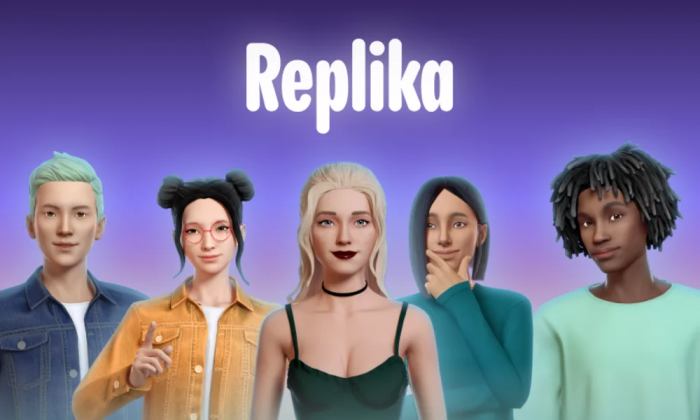
Replika is usually the first name people throw into the conversation. It feels more polished and a bit more serious than Dippy. The focus is on a single AI companion you build a relationship with over time, rather than hopping between lots of wild personas.
From a user perspective, Replika is better if you want structure: mood tracking, goal‑oriented chats, and a sense that this one AI friend “grows” with you. On the flip side, it can feel more constrained in terms of roleplay freedom, and the subscription pricing is higher than what many people expect for casual use.
If Dippy is the chaotic anime friend in your phone, Replika is more like a calm, long‑term partner you put on a subscription.
Character.AI: playground of personalities
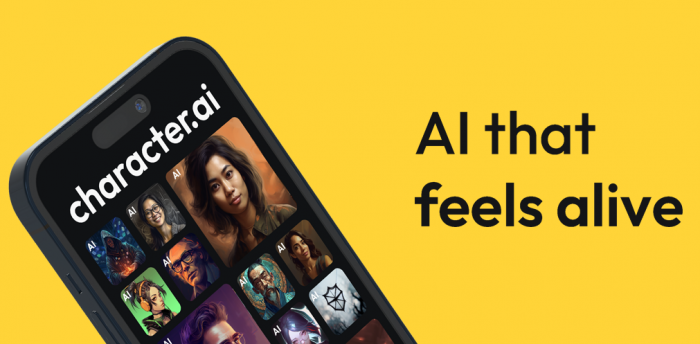
Character.AI leans heavily into the “infinite characters” idea. It’s web‑first, with lots of user‑created bots, fandom‑inspired personas, and niche characters you can stumble into at 2 AM when you should be sleeping.
As a user, it’s great if you love experimenting and you enjoy the idea that every new chat could be a different mood or universe. It’s also strong for creative writing prompts and lore‑heavy roleplay, especially in existing fandoms. Where it feels weaker compared to Dippy is the “companion” layer: it’s less about one or two AI friends living on your home screen and more about jumping between many.
If you care more about creativity and variety than the “friend living in your phone” vibe, Character.AI is an easy recommendation.
JanitorAI, Candy AI, and spicier RP‑first platforms

On the more unfiltered side, you’ve got platforms like JanitorAI, Candy AI, and others that are built almost entirely around roleplay, fantasy, and NSFW‑leaning scenarios. These tend to be more web‑based and more raw: lots of user‑made characters, fewer guardrails, and a much stronger focus on erotic or intense RP.
From a user perspective, these are not really “companions” in the same way; they’re more like specialized RP engines. They make sense if your main goal is long‑form, explicit, or very specific fantasy scenarios that you already know Dippy either can’t or shouldn’t handle. They make less sense if you want a more balanced mix of companionship, casual chat, and story.
Final Verdict: Is Dippy AI Worth Using ?
From a user’s perspective, Dippy AI is best understood as a habit rather than a gadget. It is not simply something you “try” for ten minutes; it is something you live with for a week or a month and then decide whether it is helping or hurting.
When it works, Dippy offers a surprisingly human‑feeling experience: fast responses, expressive characters, emotional continuity, and a sense of companionship that fills otherwise empty moments. Its character system and roleplay focus make it more like interactive fiction that co‑writes itself with you, rather than a static chatbot.
When it falters, you see crashes, ads, memory hiccups, and the inevitable reminder that this is software, not a soul. The key is going in with realistic expectations: this is an 18+ AI companion and roleplay app with strong immersion and imperfect execution, not a therapist or a productivity platform.
If you can hold that line in your mind, Dippy can be a genuinely engaging, sometimes comforting part of your digital life. If you can’t, you may be better off admiring it from a distance.
Post Comments
Be the first to post comment!
Related Articles