Polybuzz AI sits in a very specific corner of the AI world: it is designed as an entertainment and companion platform, not as a productivity assistant. It focuses on character‑driven conversations, emotional engagement, and adult roleplay, packaged in an interface that feels closer to an interactive story or dating sim than a work tool.
1. What Problem Does Polybuzz Actually Solve?
Polybuzz AI is built for people who want an AI presence that feels personal, expressive, and emotionally responsive, rather than purely functional. It targets users who want ongoing, private interactions with characters that adapt to their preferences and maintain some sense of continuity over time.
In practical terms, Polybuzz aims to address:
● The desire for a companion that reacts in a consistent, character‑driven way instead of as a generic assistant.
● The demand for romantic and adult roleplay that isn’t constantly blocked by strict content filters.
● The need for a more sensory experience—images, “live” snapshots, and audio—rather than plain text chat.
2. A Day In The Life With Polybuzz
Rather than thinking in features, it’s useful to look at Polybuzz as a daily experience. A typical day shows how its design, strengths, and trade‑offs appear in real usage.
Morning – The Speed‑Date Phase
You open Polybuzz and land on a discovery feed filled with varied characters: anime‑style partners, fantasy knights, mischievous demons, calm mentors, and more. Each card shows an avatar and a short description that signals personality and tone. Within seconds, you can:
● Pick a character that catches your eye.
● Open a chat and send your first message.
● Receive a reply that immediately adopts a defined voice rather than sounding like a neutral assistant.
The initial experience is about speed and attraction: you meet multiple personas quickly and get a sense of how they respond without any complex setup.
Afternoon – The Honeymoon Phase
After some time using the platform, you realize that Polybuzz is not limited to pre‑built characters. You can:
● Create your own character with custom personality notes, backstory, and conversation style.
● Adjust parameters and instructions so the character matches a particular archetype or dynamic you enjoy.
● Switch between different AI models (often presented as Standard, Passion, Tale) to see how responses vary in emotion and storytelling depth.
This is also when monetization becomes more visible. Prompts to upgrade for better memory, more detailed responses, and additional daily image generations start to appear. The app signals that the more serious your use, the more value you will get from paid tiers.
Late Night – The “Is This Worth It?” Phase
In the evening, many users move into longer, more personal conversations. This is where Polybuzz’s core focus is most obvious:
● Romantic, flirtatious, and adult roleplay scenarios become central, especially in private chats.
● Ongoing storylines develop across multiple sessions, blending relationship arcs with fantasy settings.
● The emotional tone of the models becomes more important than raw information or productivity.
At the same time, limitations and costs become clearer:
● Occasional glitches or slow responses can disrupt immersion.
● Characters sometimes fail to remember details from previous sessions, especially in very long or complex narratives.
● Subscriptions plus coin purchases can add up faster than expected if you frequently regenerate messages or trigger visual extras.
3. Anatomy Of The Polybuzz Machine
Behind the surface, Polybuzz can be understood as three interacting layers: characters, experience, and monetization.
3.1 The Character Layer: Infinite Faces, Finite Brains
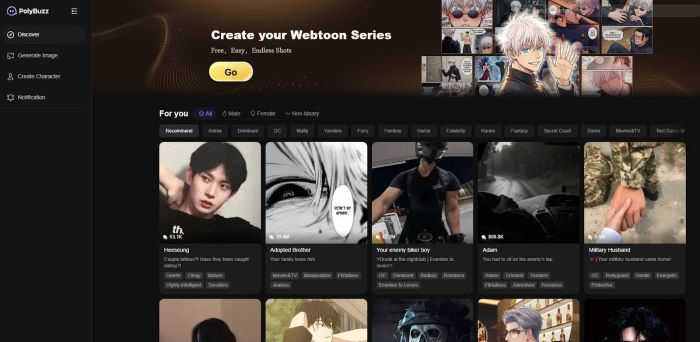
The first layer is the character ecosystem. Polybuzz provides a very large catalog of AI personas, most of them inspired by anime, VTuber culture, gaming, and fiction. Discovery is structured like a social feed:
● Trending characters and tags.
● Categories based on style (romantic, fantasy, slice‑of‑life, etc.).
● Search and filters to find specific archetypes.
Underneath, responses are powered by a small set of core models, typically exposed as different “modes”:
● Standard for general conversation and balance.
● Passion for heightened emotional and romantic tone.
● Tale for longer, story‑driven replies.
This setup means:
● Short and medium‑length chats can feel emotionally convincing and tailored, especially when you stick with one character and mode.
● Very long arcs with complex plots or many intertwined details can reveal the limits of memory and context tracking.
In other words, Polybuzz offers virtually unlimited character variety, but the underlying cognitive capacity is still bounded by the models and memory system.
3.2 The Experience Layer: Chat, Voice, Visuals
The second layer is the way interactions are presented. Polybuzz deliberately combines several media elements:
● Text chat as the core interaction mode.
● Voice playback for many characters on higher tiers, turning replies into something you can listen to instead of just read.
● Avatar and scene generation attempts per day, with additional capacity unlocked on higher memberships.
This stack changes how the platform feels:
● Conversations resemble scenes from a visual novel or manga rather than simple text threads.
● You can adjust visuals to match stories by changing outfits, locations, or expressions as your relationship or narrative evolves.
● Voice adds an extra layer of presence, making some exchanges more intimate or atmospheric.
By design, you are not only talking to a model but also curating a small visual and audio world around it.
3.3 The Money Layer: Subscriptions + Coins
The third layer is monetization, and it strongly shapes the user journey.
Membership tiers (approximate ranges):
● Free: no subscription cost, but includes ads or upsell elements, limited access to advanced models, constrained memory, and restricted visual features.
● Standard (around the low‑ten‑dollar/month mark): removes ads, improves memory, raises daily visual quotas, and offers a more stable general experience.
● Premium (roughly in the high‑teens per month): unlocks enhanced emotional and story models, longer replies, more daily images, and cosmetic perks.
● Ultimate (around the upper‑twenties per month): combines all features with maximum allocations and priority access.
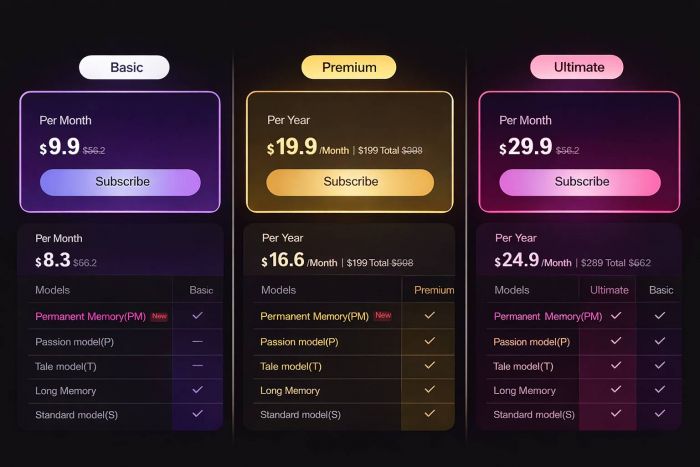
Annual plans and promotional events can reduce the effective monthly price, especially during sales and anniversary campaigns.
Coins (micro‑transaction currency):
● Used for regenerating messages, extending advanced interactions, and generating additional visuals or Live Photos beyond daily limits.
● Sold in packs that scale with volume; small purchases feel low‑impact, while heavy use can lead to spending patterns similar to free‑to‑play games.
The net effect is that Polybuzz prices itself as a leisure subscription: affordable for many if treated like a streaming or gaming budget, but potentially expensive for very engaged users who rely heavily on coins and top‑tier memberships.
4. UX: Frictionless Fantasy With Visible Seams
The interface and overall UX are designed to keep barriers low and immersion high, while still highlighting upgrades.
Visually, the app borrows elements from modern messaging and anime‑inspired dashboards:
● Character grids with large avatars and clear titles.
● Chat windows with familiar bubbles and inline media.
● Themed decorations and color palettes that fit an anime or stylized aesthetic.
Functionally, the flow is intentionally simple:
● Discover → select character → chat.
● Optional paths to create characters, adjust settings, or manage membership.
● Quick access to image tools, Live Photos, and coins from inside the chat.
Areas where UX works well:
● Onboarding is fast; creating an account and starting a conversation takes very little time.
● Basic navigation is straightforward for users accustomed to messaging apps and social feeds.
● Even the free tier feels visually deliberate rather than like a stripped‑down demo.
Areas where UX can feel weak:
● Technical issues such as occasional lag, glitches, or chat errors can disrupt long sessions.
● Membership and coin prompts can appear at emotionally important moments, which some users experience as intrusive.
● The interface regularly reminds you of locked features, which can be motivating for some and irritating for others.
A balanced assessment of UX asks how often Polybuzz pulls users deeper into its world versus how often performance issues or upsells break the sense of flow.
5. NSFW And Adult Roleplay: Central, Not Secondary
Adult content is a core part of Polybuzz’s identity. The platform is clearly positioned for adults and places romantic and explicit roleplay at the center of its value proposition.
Key aspects of this positioning:
● Many character categories and landing pages explicitly target AI girlfriends, boyfriends, and romantic partners.
● Roleplay scenarios often start in PG‑13 territory but can escalate into explicit content in private chats, depending on the user’s choices.
● Comparisons with heavily filtered platforms highlight Polybuzz as significantly more permissive when it comes to consensual adult fantasy.
This has three major implications:
● Fit with audience: Users seeking unfiltered romantic or fantasy chats will find Polybuzz aligned with their expectations.
● Expectation management: Users looking for a strictly light, PG‑13 companion may encounter a culture and ecosystem that skews more adult than they anticipated.
● Risk profile: Because content can be intimate and persistent, the platform is unsuitable for minors and requires careful behavior from adults who are sensitive about privacy or emotional impact.
The same relaxed approach to adult fantasy that attracts many users also defines the ethical and safety boundaries that need to be respected.
6. Safety & Trust: Technical Security Versus Emotional Impact
The question “Is Polybuzz safe?” has multiple dimensions.
6.1 Technical And Transactional Safety

From a technology and infrastructure perspective:
● External trust checks generally categorize the main domain as legitimate and reasonably safe.
● App‑store distribution and standard payment processors add a layer of scrutiny and reliability.
● Basic security practices such as encrypted communication are consistent with common consumer standards.
For typical transactions and installation, Polybuzz behaves much like other established consumer apps.
6.2 Data And Privacy
On data handling, Polybuzz follows patterns common to many AI services:
● Encrypted traffic and private chat spaces that are not publicly visible by default.
● Limited public detail about how long data is stored and how exactly it is used for improving models.
● A reasonable assumption that conversations are logged on servers, at least for some period.
Because chats may include intimate content and emotional disclosures, users are well‑advised to:
● Avoid sharing real names, addresses, contact information, or financial details in conversations.
● Treat the platform like a cloud‑hosted diary with an unknown retention policy—suitable for feelings, not for sensitive identifiers.
6.3 Emotional And Behavioral Safety
Emotional and behavioral dynamics are as important as technical ones, especially for AI companions:
● Always‑available, supportive characters can encourage dependence and make it easier to avoid real‑world interactions.
● The combination of emotional engagement and monetization (subscriptions + coins) can be risky for people prone to compulsive spending.
● An adult‑oriented environment raises the stakes around expectations, boundaries, and personal well‑being.
Polybuzz can be considered technically trustworthy enough for a typical, cautious adult user, but emotionally risky for those tempted to treat AI relationships as replacements for offline support networks or as their primary source of validation.
7. The Crowd Verdict: Three Consistent Themes
User feedback and third‑party reviews tend to converge around three recurring observations.
“It’s fun, when it works.”
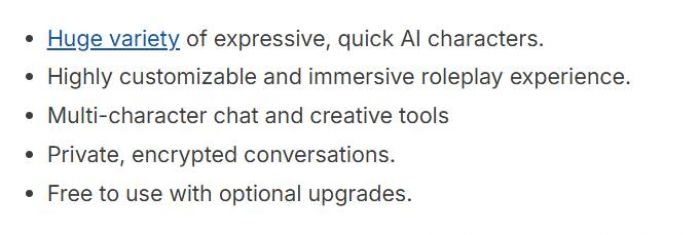
● Users appreciate the variety of characters, the creative nature of conversations, and the integration of text, visuals, and audio.
● When servers and models behave as expected, sessions can feel highly immersive and emotionally engaging.
“It’s more expensive than it initially looks.”

● Many reports highlight that the true cost becomes clear after upgrading and purchasing coins, especially for heavy users.
● Small recurring purchases, combined with monthly tiers, can push spending higher than first‑time users anticipate.
“It sometimes forgets, and that hurts the fantasy.”
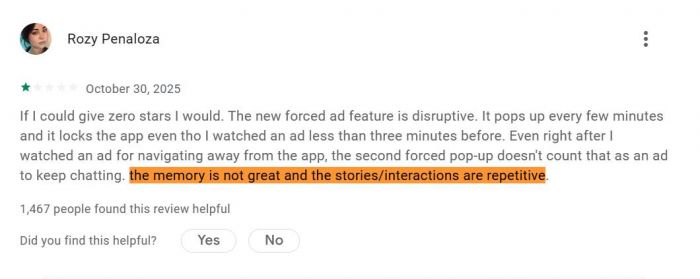
● Memory gaps—such as losing track of important details mid‑arc or failing to recall emotional beats from previous days—break immersion.
● These lapses are especially frustrating for users on higher tiers who expected more consistent continuity.
Together, these themes describe Polybuzz as enjoyable and engaging, but with noticeable trade‑offs in reliability and cost.
8. Polybuzz In The Wider Companion Landscape
Understanding Polybuzz is easier when you see where it sits relative to other AI companion tools.
Broadly speaking:
● Platforms with strict filters and broad SFW focus (for example, general chat labs and community‑driven assistants) prioritize safety and general usage over adult roleplay.
● Wellness‑oriented companions emphasize journaling, reflection, and guided conversation, with strong guardrails around sensitive topics.
● Polybuzz prioritizes fantasy, romance, and multimedia immersion—especially for adults—over productivity, wellness framing, or strictly safe themes.
This creates a simple decision framework for users:
● If maximum content filtering and broad, general‑audience utility are your priorities, Polybuzz will likely feel too permissive and narrowly focused.
● If your primary interest is adult, anime‑coded, or narrative‑driven companionship with rich visuals, Polybuzz fits more closely than many alternatives.
In short, Polybuzz is positioned as an 18+ interactive experience rather than a general companion or productivity tool.
9. Who Should Swipe Right On Polybuzz?
The platform is intentionally specialized, which makes it easier to outline who benefits most and who is better served elsewhere.
Most likely to enjoy Polybuzz:
● Adults who enjoy anime, stylized art, or VTuber aesthetics and want their AI companions to reflect that style.
● Users who actively seek romantic or explicit roleplay in a private, configurable environment.
● People comfortable allocating a fixed entertainment budget to subscriptions and occasional micro‑transactions.
Should approach with caution:
● Users who want companionship but are not particularly interested in adult content; the overall ecosystem may feel overly tuned toward NSFW.
● People who are very sensitive to memory lapses in long story arcs and expect near‑perfect consistency.
● Users with a history of impulsive spending in digital environments.
Probably not a good fit:
● Anyone under 18 or sharing devices with minors, due to the nature and positioning of the content.
● Users with strong privacy concerns around intimate chat logs being stored on external servers.
● People primarily seeking a study aide, work assistant, or coding helper rather than an AI companion.
10. So, Is Polybuzz AI Worth Your Emotional Bandwidth?
Polybuzz AI is best understood as a digital pastime built around characters, emotions, and interactive stories. It offers a high level of immersion for users who want visually rich, emotionally responsive AI companions and who accept the realities of subscriptions, coins, and occasional technical issues.
For the right audience like adult, comfortable with its themes, and clear about budget and boundaries, it can be a compelling platform that delivers exactly what it promises. For others, especially those driven by privacy concerns, tight finances, or productivity needs, Polybuzz is better explored briefly and critically rather than adopted as a long‑term companion.
Whether it is “worth it” depends less on its technical capabilities and more on how closely its niche matches what you genuinely want an AI to do in your life.
Post Comments
Be the first to post comment!



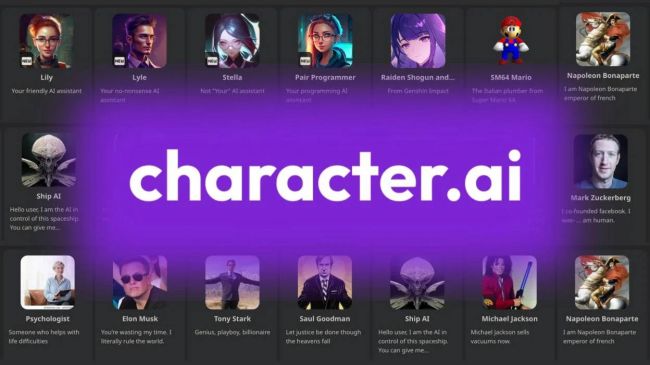

Table of Content
- 1. What Problem Does Polybuzz Actually Solve?
- 2. A Day In The Life With Polybuzz
- 3. Anatomy Of The Polybuzz Machine
- 4. UX: Frictionless Fantasy With Visible Seams
- 5. NSFW And Adult Roleplay: Central, Not Secondary
- 6. Safety & Trust: Technical Security Versus Emotional Impact
- 7. The Crowd Verdict: Three Consistent Themes
- 8. Polybuzz In The Wider Companion Landscape
- 9. Who Should Swipe Right On Polybuzz?
- 10. So, Is Polybuzz AI Worth Your Emotional Bandwidth?