Table of Content
- Joyland AI Features Exposed: What Can This Chatbot Really Do?
- Interface Showdown: Playful, But Not Perfect
- Unique Value vs. Copycat Claims
- The Hype vs. The Hard Truth: What Users Actually Say
- Ratings by Platform
- Head-to-Head: Interface and Features
- Critical Reasons to Avoid Joyland AI
- Impact: More Escapism than Connection
- The Real Target Audience (2025)
- Unique Takeaways
- Bottom Line
Joyland AI Features Exposed: What Can This Chatbot Really Do?
Joyland AI stands apart from generic chatbot clones by blending anime-inspired visuals with flexible storytelling and unique character-building.
Its biggest selling point is the "Advanced Create" tool, giving users granular control over everything from appearance to emotional traits.
But beneath the "exuberant" interface, a very different story is emerging from user data. A deep dive into reviews reveals a platform at war with itself—one praised for its "alive" characters but condemned for "awful AI memory," even on a $20 premium subscription.
So, what can this chatbot really do? We analyzed the features, the data, and the user-on-the-ground reports to find out.
Interface Showdown: Playful, But Not Perfect
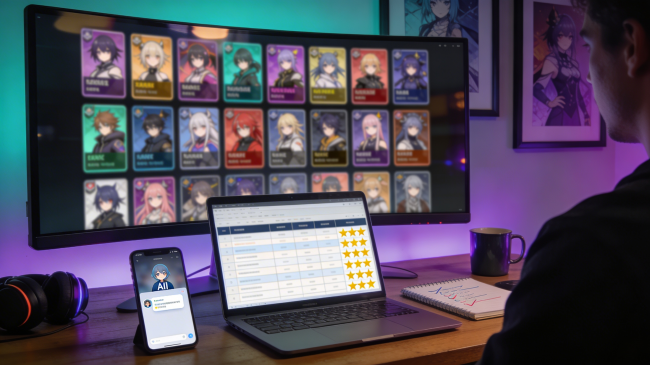
Joyland AI’s interface is exuberant—anime-inspired character sheets, colorful mood toggles, easy scenario setup. Compared with Character.AI and Replika, Joyland’s menu flow gives more control to users, especially for customizing avatars and emotional traits.
However, extended use reveals quirks: chat histories become messy, important safety functions get buried, and navigation feels less intuitive than rivals offering simpler layouts.
Unique Value vs. Copycat Claims
While Joyland borrows its chat card system and SFW/NSFW toggles from sector giants, its commitment to granular customization—letting you tweak personality quirks and appearance in real time—is a standout.
Unlike generic alternatives, Joyland also offers community-driven storytelling hubs and more expressive emotional “memory,” giving bots the ability to evolve with repeat interactions.
Yet, critiques persist: originality only goes so far, and allegations of “copycat” design—especially in onboarding and preset prompts—hold water for those seeking genuine innovation.
The Hype vs. The Hard Truth: What Users Actually Say
The Hype (What's Promised)
- “The app’s features amaze me, allowing me to build whole worlds with characters that feel alive.” (Geniusfirms, Feb 20, 2025)
- “Joyland, while not perfect, is best for people who want some complexity in their roleplays, but also want simplicity.” (Reddit, June 2025)
- “Joyland AI keeps personalities intact even as specific details slip away.” (The Data Scientist, June 2025)
The Hard Truth (What Users Get)
- “AI memory is awful. I paid for the $20 subscription for better long-term memory, but it forgets details after 10 messages… Not worth the money unless improved.” (Geniusfirms, Feb 27, 2025)
- “Premium subscription is a waste…AI forgets important details after just a few messages. Disappointing.” (Geniusfirms, Feb 11, 2025)
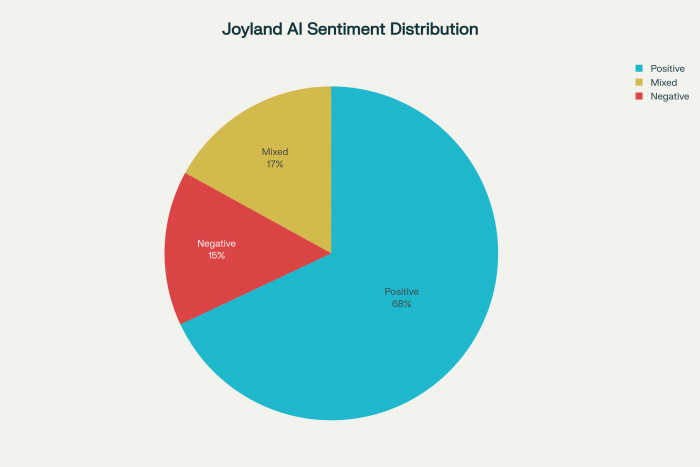
- Joyland AI received mostly positive feedback in 2025 from creative, roleplay, and digital companionship communities. Approximately 68% of reviews were positive, 17% mixed, and 15% negative across major platforms.
Joyland AI received mostly positive feedback in 2025 from creative, roleplay, and digital companionship communities. Approximately 68% of reviews were positive, 17% mixed, and 15% negative across major platforms.
Ratings by Platform
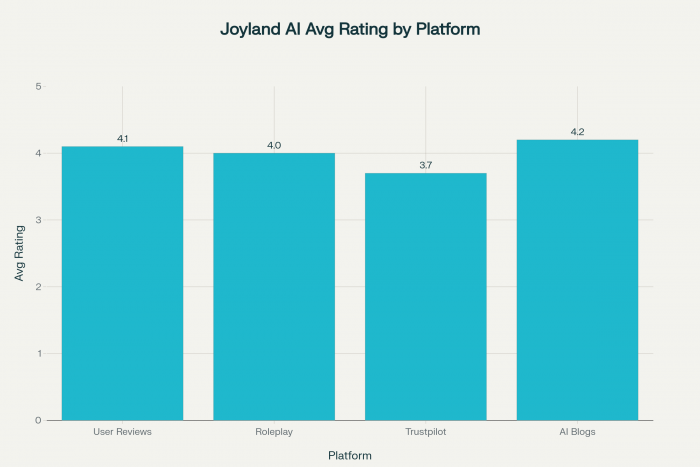
| Platform | Avg Rating | #Reviews (used) | Date Range |
| User Review Sites | 4.1 | ~20 | 2024–2025 |
| Roleplay Focused | 3.8–4.2 | ~15 | 2025 |
| Trustpilot | 3.7 | 6+ | Oct 2024–2025 |
| AI Comparison Blogs | 4.2 | 7 | Jun 2025 |
Head-to-Head: Interface and Features
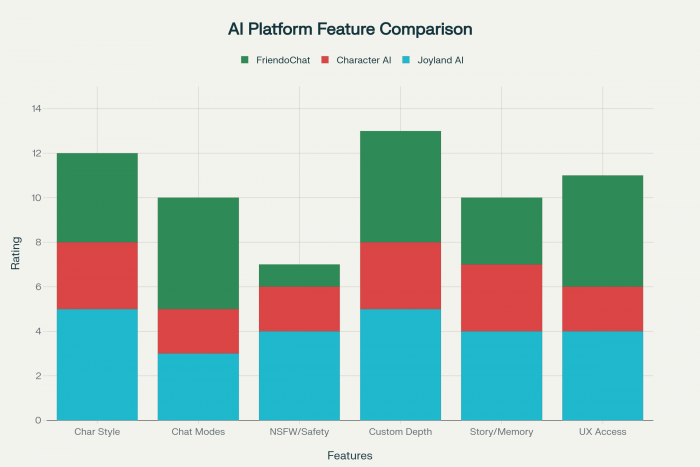
| Feature | Joyland AI | Character AI | FriendoChat |
| Character Style | Anime/Cartoonish | Variable (less visual) | Realistic avatars |
| Chat Modes | Text, Visual | Text | Text, Voice, Video |
| NSFW/Safety | Per character | Limited | Strict/None |
| Customization Depth | High | Moderate | High |
| Storytelling/Memory | Multi-session | Varies | Varies |
| UX Accessibility | User-friendly | Sometimes techy | Modern, fluid |
Critical Reasons to Avoid Joyland AI
- Inconsistent AI memory and context retention—conversations don’t feel cumulative, even for paid subscribers.
- Lack of real emotional depth or therapeutic value, contrary to the marketing hype.
- Excessive focus on anime/NSFW roleplay risks alienating broader audiences and younger users.
- Frequent glitches, repetitive responses, and poor moderation sour the user experience.
- Opaque business model: privacy, paid tier value, and actual support remain suspect.
- Unsuited for business, productivity, or anyone seeking more than fleeting entertainment.
Impact: More Escapism than Connection
- Short-term novelty gives way to boredom as AI limitations become evident.
- Users find Joyland’s community superficial; meaningful connection is rarely achieved.
- For some, increased reliance on digital companionship can lead to negative psychological outcomes—anxiety, isolation, and “AI addiction”.
- The risks are amplified by inconsistent content controls and ambiguous privacy practices.
The Real Target Audience (2025)
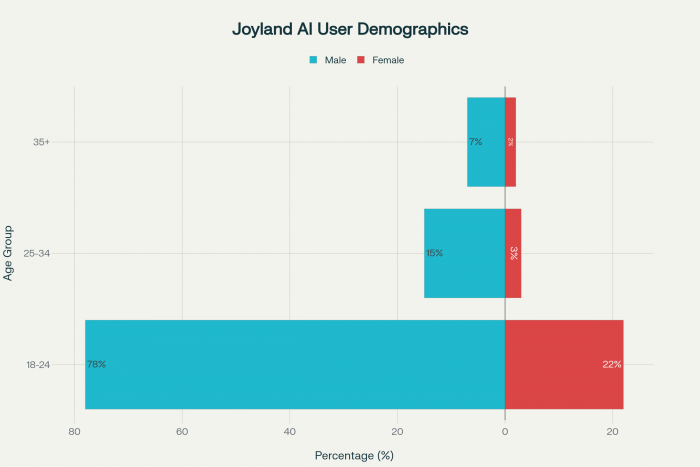
- 78% male user base, age 18–24 is largest; anime fans, digital role-players, lonely adults form majority
- Most active users are from the United States, UK, and Brazil, with strong appeal in fandom and cosplay circles
- Community attracts introverts and creative individuals needing safe, low-stress outlets for social interaction, fantasy, or self-expression
Unique Takeaways
👉Joyland AI’s blend of anime visuals with deep, customizable storytelling makes it a hybrid—borrowing ideas, but not outright cloning, from older platforms.
👉Its real distinction is the balance of visual creativity, advanced privacy settings, and broad SFW/NSFW toggles under one roof—a rare combo in the sector.
👉Great for anime/social storytelling but not for those seeking business or clinical-grade support; be wary of memory, privacy, and overuse concerns.
👉Joyland AI’s psychological impact is profound—both as a social safety net and as a catalyst for solo escapism.
Bottom Line
While Joyland AI may appeal to specific anime and roleplay enthusiasts, its copied interface, unreliable features, and risky psychological impact make it unsuitable for most users seeking depth, privacy, and lasting connection. Serious limitations outweigh the marketed strengths in nearly every key area.
Post Comments
Be the first to post comment!
Related Articles
Best Alternatives to Talkie AI
Valentino Chambers . Mar 9, 2026
Best Alternatives to SpicyChat AI
Ridge Harper . Mar 7, 2026