If you stare at Redeepseek.com long enough, it stops looking like “a website” and starts looking like a nervous system: search here, an AI assistant there, a blog that zigzags from machine learning to pond filters, from betting platforms to “tech health and simple living.” The only way to review it honestly is to walk through each part and ask a blunt question: if this disappeared tomorrow, what exactly would the internet lose?
1. The quiet rebellion in the search box
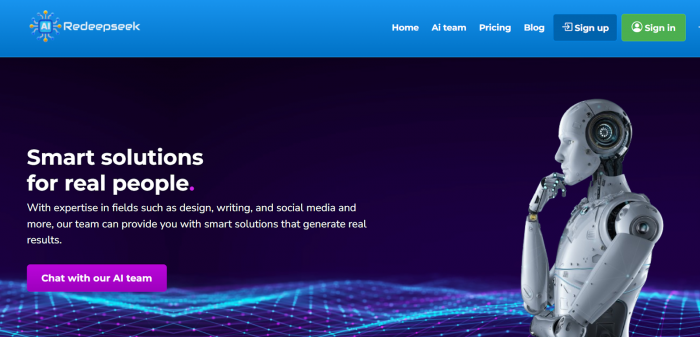
Most search engines greet you like a shopping mall: bright, busy, and quietly optimized to keep you wandering. Redeepseek’s homepage behaves more like a reading room. A large search bar. Sparse chrome. No “trending right now,” no blinking carousels trying to hijack your intention.
That visual silence is not an aesthetic whim; it’s the product philosophy in disguise.
● It assumes you arrived with a purpose, not for casual entertainment.
● It refuses to treat your curiosity as an ad slot waiting to be sold.
● It wants to be a tool, not a homepage that traps you for another hour.
If your default search habit is “type, skim ads, scroll past SEO junk, then refine,” the first surprise with Redeepseek is how little you have to fight the interface itself.
2. What actually happens when you throw real questions at it?
Take three messy, real‑life queries:
● “How can a three‑person pre‑revenue startup pick the right AI tools?”
● “Is this new betting site safe or just flashy?”
● “What does ‘tech health’ even mean for normal people in 2025?”
Redeepseek’s core engine is built on semantic search and NLP, so it doesn’t just scan for overlapping words; it tries to decode the situation.
Under the hood, that means:
● Parsing intent: business constraints, safety concerns, lifestyle context.
● Fetching up‑to‑date material from the web via real‑time or near real‑time indexing.
● Grouping results by type like articles, explainers, tools, sometimes videos or guides so you can shift formats without rewriting the question.
On the surface, it feels like this: vague thoughts go in, semi‑coherent clusters come out. It’s not magic, but if you’ve ever watched a keyword‑only engine completely misinterpret a nuanced query, you can feel the difference in the first few searches.
3. Redeepseek is not one product; it’s three overlapping “selves”
You can’t explain Redeepseek by a single label because it behaves differently depending on where you touch it.
3.1 The semantic search engine
This is the part most people see first.
● It focuses on natural‑language queries and context, not just keywords.
● It tries to surface high‑signal, current sources instead of burying you under ancient “authority” pieces.
● It offers basic filters (date, type) and clusters results so you can move from “broad curiosity” to “specific source” with fewer manual refinements.
If your work starts with open questions—“What is happening in AI regulation?” “How is machine learning used in clinics?”—this layer is where Redeepseek earns its keep.
3.2 The AI assistant and “work helper”
Beyond search, Redeepseek is often described as an AI chat and assistant hub that supports concrete work: research, drafting, SEO, data analysis, and more.
One review breaks its workflow into three phases:
● Machine phase: AI models generate drafts, insights, or analysis from your prompt.
● Human phase: in professional tiers, editors or consultants refine clarity, accuracy, and tone.
● Delivery phase: you get a polished output that is part AI speed, part human judgment.
Add to that its different “modes”—Basic (simple search), AI Mode (semantic + generative), and Research Mode (for deeper, multi‑step investigations)—and you get a flexible console rather than a single, fixed tool.
For a freelancer, agency, or small team, this isn’t just “fancy search”; it is pitched as a way to simulate a tiny research and content team without hiring one.
3.3 The editorial desk: Redeepseek as a publisher
Then there’s the part people underestimate: Redeepseek is also a multi‑category content site.
● It publishes explainer‑style articles on AI, machine learning, automation, cybersecurity, data science, and digital transformation.
● It writes about smart gadgets, digital innovations, and how tech fits into everyday life.
● It runs pieces on health, home improvement, and lifestyle framed through a “tech health and simple living” lens.
● It hosts in‑depth breakdowns of online platforms—including betting and gaming sites like Nohu90 and 58WIN—analyzing features, bonuses, and safety.
● It positions itself as an AI tool finder and resource hub for startups choosing their AI stack.
Once you see this, you stop mistaking Redeepseek for a neutral pipe. It is also an author with opinions about what is worth understanding.
4. The technology and AI spine: where the site feels most at home
If Redeepseek’s content universe were a city, the Technology & AI district would be its downtown.
Here you’ll find:
● Guides that translate AI and ML concepts into accessible language for non‑experts.
● Overviews of AI apps, research roadmaps, blockchain, 5G, and digital transformation trends.
● Articles that explain not just “what AI is” but “how it shows up in your business or life.”
This category is why several reviewers describe Redeepseek as a modern tech blog as much as a search engine. It wants to sit between cutting‑edge research and regular readers, turning abstract breakthroughs into practical knowledge.
If your questions live in the intersection of AI and real‑world impact, this is where Redeepseek feels most confident.
5. Smart tech, gadgets, and digital tools: the “hardware of modern life”

Move a few blocks out from core AI and you reach the smart‑tech and gadget cluster.
This side of Redeepseek:
● Looks at smart devices, IoT tools, and digital products shaping how we work and live.
● Reviews and explains gadgets and innovations, often connecting them back to productivity, convenience, or safety.
● Interweaves AI with devices—think AI‑enabled tools, automation, or connected home tech.
It’s not trying to compete with pure gadget blogs that obsess over every camera bump. Instead, it focuses on why these tools matter and how to use them sensibly.
6. Health, home, and “tech health & simple living”
This is where Redeepseek starts to look strange in a good way.
A chunk of the site is dedicated to making sense of health, home maintenance, and daily life skills in the context of modern technology.
● Articles talk about “tech health”—how to use technology in ways that support, not sabotage, your wellbeing.
● Home‑oriented pieces cover practical questions, from equipment choices (like filters) to improvements that intersect with tech.
● Life‑category posts wrap up everyday skills and decisions in simple, direct language, assuming readers want clear facts, not jargon.
You don’t go here for medical diagnoses. You go here when you want to understand how to live with technology healthily, simply, and without drowning in buzzwords.
The effect is subtle but important: Redeepseek is not just about “AI out there in the world,” but about AI and tech in your home, habits, and body.
7. The unexpected lab: betting, gaming, and high‑risk platforms
Then there’s the neighborhood you don’t expect: long, structured reviews of online gaming and betting platforms like Nohu90 and 58WIN.
These pieces don’t read like quick affiliate blurbs. They:
● Break down features, bonuses, and game options.
● Talk about safety, licensing, and how to play more responsibly.
● Position themselves as guides for users entering risky environments where misinformation is common.
You can argue about whether such content belongs next to AI explainers and tech‑health advice. But it does reveal something: Redeepseek is willing to step into messy, real‑money contexts and apply its “explain and dissect” template there too.
8. Redeepseek as an AI tool finder and startup ally
Shift back toward the professional side and you hit one of Redeepseek’s most strategic angles: helping startups and teams navigate the exploding AI tool landscape.
In this role, the platform:
● Functions as a discovery engine for AI tools—surfacing relevant products when you search by use case, not brand name.
● Publishes content about “the smartest AI tool finder for startups,” teaching founders how to pick tools that fit their stage and budget.
● Binds this into its AI assistant and consulting tiers, where AI + human experts can help refine strategies.
If you are standing at the “we know we need AI, but we don’t know what exactly” crossroads, Redeepseek wants to be the friend you call first.
9. UX, modes, and how the site stays usable despite doing so much
When a site tries to be this many things, the interface usually collapses under the weight. Redeepseek avoids that by being almost aggressively plain.
● The home view is minimal: search bar, simple navigation, no ad clutter.
● The results view leans on clustering and filters, not decoration.
● The modes—Basic, AI Mode, Research Mode, give you a vocabulary for “how serious” your current task is, without forcing you into complicated settings.
● The blog navigation reflects major categories (Tech/AI, gadgets, health, home, life, platforms/tools), so you can browse even without a search term.
It feels less like a portal and more like a control panel: most of the design is there to not get in your way.
10. Privacy as a design constraint, not a tagline
Redeepseek’s privacy position matters because it directly shapes features.
Across reviews, a few themes repeat:
● No tracking cookies or personalized ads.
● No selling of user data, with searches treated as private rather than as behavioral ad fuel.

● Encrypted connections and a general alignment with modern privacy expectations (think GDPR‑style thinking).

Taken seriously, those choices have knock‑on effects:
● The business model tilts toward freemium and subscriptions, not ad auctions.
● The interface doesn’t have to dance around sponsored placements.
● Users who are tired of feeling watched finally get an AI‑powered search option that doesn’t turn curiosity into a tracking signal by default.
When you use Redeepseek in “work mode”—serious research, sensitive topics—that difference is not cosmetic.
11. Plans, tiers, and who is actually paying for all this
Of course, someone has to pay for a privacy‑respecting, AI‑intensive service.
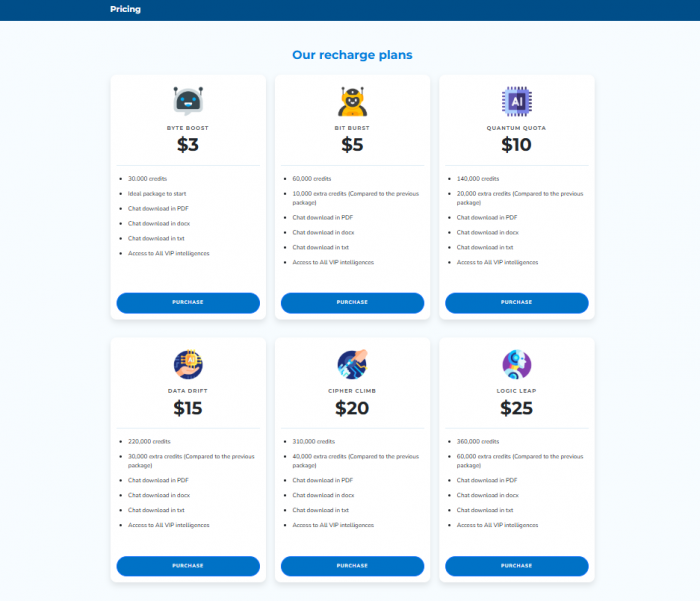
Redeepseek uses a layered approach:
● Free layer: core search, basic semantic understanding, and access to most blog content.
● Freemium / pro tiers: higher query limits, richer research tools, more advanced AI features, collaboration and analytics, and in some cases access to human experts on top of AI.
The practical takeaway is simple: casual users can treat Redeepseek as a free, privacy‑friendly research engine; power users and businesses can pay to turn it into an integrated work assistant.
12. Who actually benefits the most from this strange mix?
When you zoom out across categories, features, and business model, a pattern emerges.
Redeepseek makes the most sense for:
● Students and self‑learners: Who want to understand AI, tech, health, or modern living topics in plain language and prefer semantic search plus explainers to random blog spam.
● Researchers, analysts, and serious writers: Who need fresh, high‑signal sources, search modes tuned for research, and an AI assistant that behaves more like a research aide than a chatty bot.
● Startup founders and digital businesses: Who are choosing AI tools, designing workflows, and want one place to search, learn, compare, and occasionally get human‑refined help.
● Freelancers and agencies: Who need to deliver content, analysis, or strategy faster, and like the idea of renting a hybrid AI + expert layer instead of building in‑house.
● Everyday users living in a tech‑saturated world: Who want practical guidance on health, home, life skills, and even platform safety backed by clear explanations instead of algorithmic mystery.
If your main need is hyper‑local shop lookups or deep, domain‑specific legal/academic research, Redeepseek remains a complement, not a replacement. It plays nicely alongside big engines and specialized databases rather than trying to evict them.
13. What the internet would lose if Redeepseek vanished
Strip away the branding and ask: if Redeepseek disappeared tomorrow, what gap would be left?
● We would have one less privacy‑first, ad‑free search option that actually takes semantic understanding seriously.
● We’d lose a platform that tries to hold three things in one place: a search console, a work helper, and a multi‑topic guide to living with technology.
● Startups and small teams would lose a surprisingly pragmatic middle layer between “DIY with a raw AI model” and “hire an entire expert department.”
● Ordinary users would lose a site that treats “tech health,” home decisions, and platform safety as first‑class editorial topics, not afterthoughts.
Redeepseek.com is not perfect, not omniscient, and not neutral. It is, however, unusually clear about the kind of internet it wants to help build: one where search respects intent, AI works alongside humans, privacy isn’t a luxury add‑on, and technology is explained all the way down to how you live with it at home.
For many people, that’s enough reason to give it a permanent slot in the research and decision‑making part of their digital stack.
Conclusion
Redeepseek.com is best viewed as a focused, privacy‑first research companion rather than a one‑for‑all Google replacement. It combines semantic, ad‑free search with AI‑assisted workflows and a wide content layer that runs from AI tools and smart tech to health, home, lifestyle, and even detailed platform reviews, including betting and gaming sites.
You sacrifice some index size and deep ecosystem integration, but in return you get cleaner results, clearer explainers, and a platform that treats your queries as something to understand, not to track and monetize which makes Redeepseek.com an excellent starting point for students, researchers, founders, and privacy‑conscious users before they fan out to larger search engines and specialist databases for exhaustive verification.
Post Comments
Be the first to post comment!
Related Articles





Table of Content
- 1. The quiet rebellion in the search box
- 2. What actually happens when you throw real questions at it?
- 3. Redeepseek is not one product; it’s three overlapping “selves”
- 4. The technology and AI spine: where the site feels most at home
- 5. Smart tech, gadgets, and digital tools: the “hardware of modern life”
- 6. Health, home, and “tech health & simple living”
- 7. The unexpected lab: betting, gaming, and high‑risk platforms
- 8. Redeepseek as an AI tool finder and startup ally
- 9. UX, modes, and how the site stays usable despite doing so much
- 10. Privacy as a design constraint, not a tagline
- 11. Plans, tiers, and who is actually paying for all this
- 12. Who actually benefits the most from this strange mix?
- 13. What the internet would lose if Redeepseek vanished
- Conclusion
- Comments
- Related Articles