Hiring has always been about people. However, if we are honest with ourselves, the way we find, assess, and connect with people is changing faster than ever. Are you an HR, Recruitment, L&D, or team leader with a growing team? I’m sure you have already felt it: Resumes are becoming outdated, interviews are changing, and applicants are expecting more than just a generic “thank you for your application” email.
As we look ahead to 2026, it’s no longer just about the efficiency and automation of HR technology. It’s about experience, it’s about learning, and it’s about meeting people where they are.
Let’s go through the most important HR technology trends for 2026, not with buzzwords, but with examples and practical knowledge that you can actually use.
AI Will Stop “Screening” Candidates and Start Understanding Them
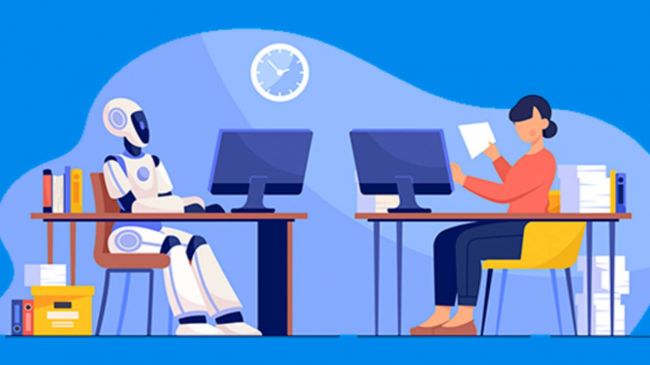
The talk of AI in hiring has been around for a while now, and 2026 is the year when it all comes together. We’re no longer just talking about keyword filtering; we’re talking about context, skills development, and potential.
For instance, rather than disqualifying a candidate because they don’t have a specific title, we’re looking at how their skills have developed over time. So, a candidate might have moved from customer support to product operations, and while they may not look perfect on paper, AI can identify the skills a recruiter might overlook in a first glance.
This also ties directly into learning and development because these hiring tools are becoming more and more integrated with learning tools, so we can ask ourselves questions like, “Can we train this person in three months?” rather than “Do they have all the skills already today?”
The companies winning the talent in 2026 won’t be the ones chasing unicorns; they’ll be the ones comfortable hiring learners.
Skills-Based Hiring Will Finally Replace Resume Obsession
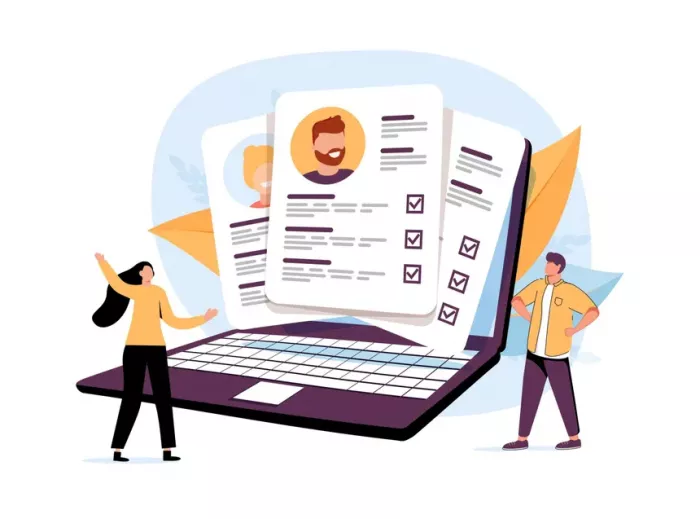
In 2026, resumes won’t be gone, but they won’t be the main focus of the hiring process. Skills-based hiring is no longer just a nice idea, but rather becoming the norm.
Rather than asking where someone went to school or how many years of experience they have, companies are looking at what they can actually do. Assessments, simulations, and actual tasks are becoming part of the hiring process, even in non-technical fields.
Learning is where the process of learning meets the process of hiring. Candidates can be tested based on how they approach a problem, rather than if they have the answer. Some systems even allow them to learn throughout the process, then test them on that learning.
For example, in a marketing position, rather than having a traditional interview, they could be asked to review a marketing campaign, tell them what they would change, and why they would make those changes. This is where they can showcase how they think, learn, and adjust in one step of the process.
The benefits of skills-based hiring are huge for everyone involved:
- Candidates are fairly assessed
- The company is making a better hire in the long run
- Learning agility is a competitive differentiator
Candidate Experience Becomes a Deal-Breaker (Not a Bonus)
In 2026, the hiring process itself is part of your employer brand—and candidates are paying attention.
The application process—lengthy forms, unclear timelines, and robotic communication—is driving top talent away from your organization. HR technology is answering this challenge by focusing on experience design rather than workflow optimization.
Today's hiring platforms have evolved to include features such as:
- Chat-based application processes
- Real-time application updates
- Personalized learning content as part of the hiring process
In some cases, short videos are used as a means for explaining the hiring process, company culture, or even what it's like in the role. Some recruitment teams are using videos as a way for candidates to gain a better understanding of what it's like in the role by using an animation video maker. By giving candidates a better sense of what they're walking into, you're more likely to have them engage and commit.
Learning Data Will Influence Hiring Decisions
But perhaps one of the biggest changes coming in 2026 is how hiring technology will intersect with learning analytics. That is, companies are beginning to pose new, smarter questions, such as:
- What kinds of learning paths lead to the highest-performing hires?
- What kinds of skill deficiencies slow down new hires the most?
- What kinds of new hires learn at the fastest rates?
By using technology to better integrate these processes, companies can begin to predict success in new hires. No longer do they have to guess whether or not someone will be able to adapt to their company. With learning analytics, they can see patterns based on previous hires.
But for new hires, this also means that they will be able to see how they can improve. Some hiring technologies now allow new hires to see what skill deficiencies they might have, as well as how they can improve in these areas. Rejection is no longer a source of frustration, but of opportunity. While it’s not necessarily a major change, it’s certainly a powerful shift in how we think about hiring as a process.
Internal Talent Marketplaces Reduce External Hiring Pressure
Smart companies in 2026 won’t be in a hurry to fill all vacant positions through external hiring. Instead, they’ll look internally first.
Internal talent marketplaces utilize AI technology to identify existing employees who can be moved to new positions, projects, or training opportunities within the company. An employee working in finance may be identified as a potential candidate for a data analytics position after completing training in this area. Another employee working in HR operations may be identified as a potential candidate for a people analytics position after completing training in this area.
This new model changes the hiring process in two ways:
- Recruiters only need to worry about strategic hiring, not backfilling
- Employees feel valued, not replaceable
This new model has enormous implications for learning teams because training suddenly matters for career paths, retention, and workforce planning.
Human Recruiters Become More Important, Not Less
Here’s the thing nobody is talking about enough: With better HR tech, human recruiters are more essential than ever.
Technology can do scheduling, vetting, and other tasks. But what recruiters do is provide the things that technology can’t: empathy, discernment, and building trust.
In 2026, great recruiters are:
- Coaches who help people envision their full potential
- Translators who speak both business and people goals
- Guides who explain education paths, not just job openings
Technology can cut through the noise and clutter, and people can actually connect.
A Fresh Way to Think About Hiring in 2026
Hiring in 2026 isn’t about speed or technology – it’s about mindset.
If there’s one mindset to hold onto as we look to the future, it’s this: every hiring decision is a learning decision.
Ask yourself:
- Are we hiring individuals who can learn and grow, or just perform?
- Are we creating experiences that help people learn and grow, or just measure and test?
- Are we using technology to better understand people, or avoid them?
The companies that win the war for talent won’t be the ones with the most technology – they’ll be the ones with the most intention.
And if you’re building your hiring strategy right now, you’re not behind – you’re right on time.
Post Comments
Be the first to post comment!
Related Articles