Table of Content
- Introduction: Why AI Employees Matter in 2026
- What Is an AI Employee?
- Types of AI Employees in the 2026 Digital Workforce
- What Can AI Employees Do Well—and Where They Struggle
- How Companies “Hire” and Manage AI Employees
- AI Employees vs. Human Employees: Collaboration, Not Replacement
- Ethical, Legal, and Workforce Considerations
- Preparing Your Organization for AI Employees
- The Future Outlook: What Comes After 2026?
- Conclusion: Redefining Work in the Age of AI Employees
Introduction: Why AI Employees Matter in 2026
The workplace of 2026 is no longer bound by geography or traditional job descriptions. With rapid advancements in generative AI, automation, and digital workflow integration, AI employees have become an active part of modern teams. From content creation and data analysis to customer service and recruitment, these virtual workers are not just tools—they are productive collaborators reshaping how organizations operate.
Businesses across industries from startups to Fortune 500 firms are recognizing that AI employees can boost efficiency, optimize decision-making, and fill skill gaps at a fraction of the cost of human labor. In short, they’re redefining what productivity looks like in the hybrid digital economy.
What Is an AI Employee?
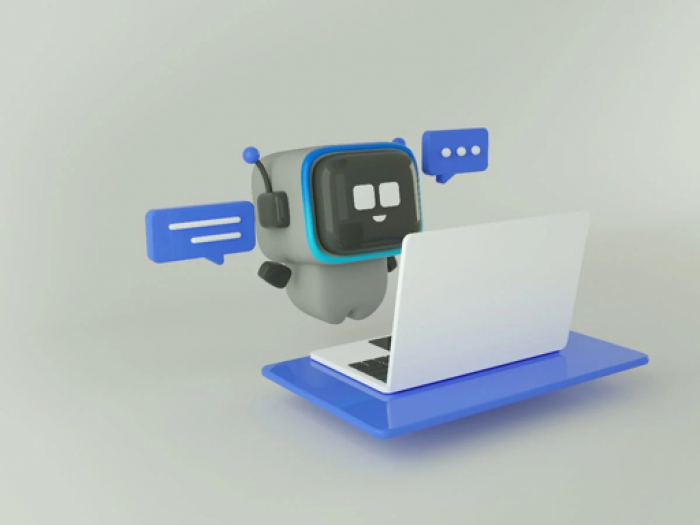
An AI employee is a software-based system or digital agent powered by artificial intelligence that performs specific roles traditionally fulfilled by humans. Unlike simple chatbots or automation scripts, AI employees possess advanced cognitive functions such as learning, reasoning, problem-solving, and contextual understanding.
They can:
● Communicate naturally using text or voice.
● Make autonomous decisions within assigned roles.
● Integrate with company systems (CRM, ERP, HR software).
● Continuously learn from interactions and data.
Platforms like HumaanAI, Kortical, and DigitalWorker.ai are examples of 2026-era solutions that help enterprises “hire” and configure these AI-based digital workers.
Types of AI Employees in the 2026 Digital Workforce
As the field matures, AI employees have diversified into specialized categories:
1. AI Administrative Assistants – Handle scheduling, email management, document formatting, and reporting.
2. AI Sales and Marketing Agents – Automate lead generation, social media campaigns, and customer engagement with personalized strategies.
3. AI Data Analysts – Process vast datasets, identify trends, and produce real-time insights for decision-making.
4. AI Developers and Coders – Auto-generate code, debug applications, and optimize algorithms under human supervision.
5. AI HR and Recruitment Bots – Screen candidates, analyze performance data, and enhance employee experience through data-driven insights.
6. AI Creative Professionals – Generate images, write articles, design ads, and even produce music and video content.
These roles have expanded the scope of digital work into previously “human-only” territories, augmenting teams rather than replacing them.
What Can AI Employees Do Well—and Where They Struggle
AI Strengths:
● Handle repetitive, data-driven tasks with speed and accuracy.
● Process large-scale information in real time.
● Ensure 24/7 operations without fatigue or downtime.
● Deliver consistent results and immediate feedback.
AI Limitations:
● Struggle with nuanced human emotions, empathy, and creativity that requires cultural or contextual understanding.
● Depend heavily on quality data—poor training sets lead to biased outcomes.
● Lack ethical reasoning and moral judgment.
While they shine in efficiency and analytics, AI employees still rely on human oversight to ensure fairness, emotional intelligence, and strategic vision.
How Companies “Hire” and Manage AI Employees

Hiring an AI employee doesn’t involve interviews—it’s a process of selection, setup, and integration.
1. Define Job Scope: Identify tasks suitable for automation.
2. Select Platform or Vendor: Choose an AI provider aligned with company infrastructure.
3. Customize Training Data: Teach the AI your company’s workflows, tone, and policies.
4. Monitor and Iterate: Track performance metrics and regularly retrain models.
Management involves continuous collaboration between humans and AI systems. Many firms now have Chief Automation Officers (CAOs) overseeing these integrations and ensuring ethical, secure deployment.
AI Employees vs. Human Employees: Collaboration, Not Replacement

The best-performing businesses in 2026 are those that have built hybrid teams—where humans and AI specialists work symbiotically. Humans guide creativity, strategy, and ethics, while AI handles precision and scalability.
Instead of eliminating jobs, AI employees are reshaping roles: analysts become prompt engineers, marketers oversee AI campaign optimization, and HR teams focus more on human development. The narrative is shifting from “replacement” to “augmentation.”
Ethical, Legal, and Workforce Considerations
Integrating AI employees introduces complex ethical and legal challenges:
● Data Privacy: Ensuring AI respects user data and complies with global regulations like GDPR 2.0.
● Accountability: Determining who is responsible when an AI makes a bad decision.
● Bias and Fairness: Preventing discrimination in hiring, pricing, or recommendation systems.
● Workforce Transition: Preparing human employees for new roles in a machine-augmented environment.
Ethical AI management now forms a core part of organizational governance frameworks.
Preparing Your Organization for AI Employees
To successfully adopt AI employees, companies should:
● Conduct digital readiness assessments.
● Implement AI literacy training programs.
● Redefine job roles and workflows around hybrid collaboration.
● Establish transparent AI usage policies.
● Pilot small-scale deployments before full integration.
Forward-thinking firms treat AI adoption as a cultural evolution, not just a technological investment.
The Future Outlook: What Comes After 2026?
Beyond 2026, AI employees will evolve from task-based bots to autonomous collaborators with emotional recognition, adaptive creativity, and deeper contextual awareness. Expect “AI managers” capable of overseeing projects and coordinating human teams.
As quantum computing and AGI prototypes mature, the boundary between digital and human workforces will blur even further—ushering in an era of self-managing digital ecosystems.
Conclusion: Redefining Work in the Age of AI Employees
AI employees represent more than a tech trend, they signal a permanent transformation in how we work, create, and lead. The key to success in 2026 and beyond isn’t replacing humans but empowering them with intelligent, scalable counterparts. The organizations thriving today are those embracing this synergy crafting a future where innovation, ethics, and intelligence coexist in balance.
Post Comments
Be the first to post comment!