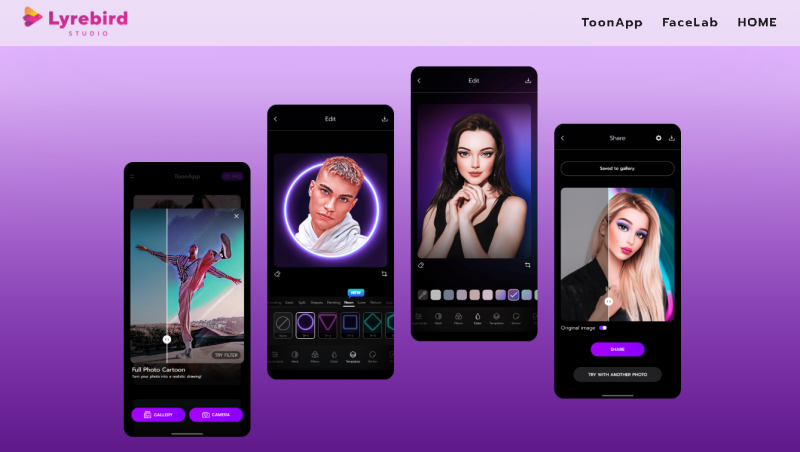
Lyrebird Studio is a creative platform and brand focused on AI-driven photo editing and image generation, primarily via linked mobile applications. Its official site highlights the ability to apply artistic filters and effects to images, turning standard photos into stylized visuals such as cartoons or beauty-enhanced portraits. The company has developed a suite of mobile tools that support artistic transformations and creative media output. Imagery is processed in the cloud, and users can generate fun and expressive visuals from their photos.
• AI-powered photo transformations and effects (cartoon, beauty, stylization)
• Style conversion (cartoonification of selfies and portraits)
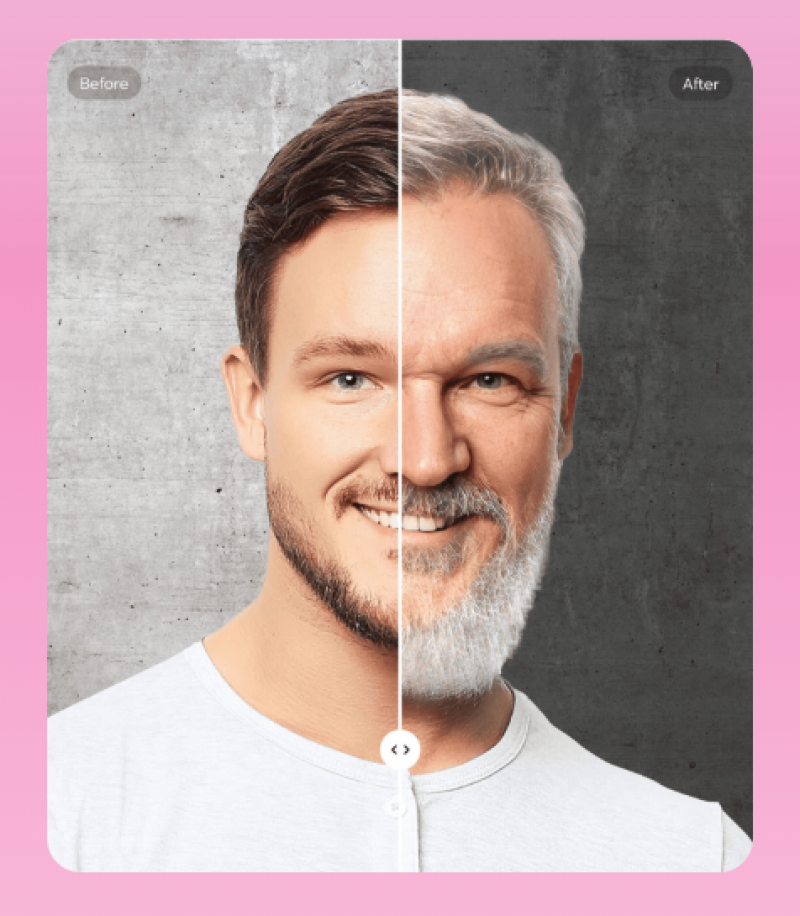
• Beauty enhancement and facial editing tools
• Multiple mobile AI editing applications (ToonApp, FaceLab, Cosmo Editor etc.)
• Cloud-powered neural network image processing
• Creators & Influencers: Quickly generate eye-catching visuals.
• Photography Enthusiasts: Add stylized effects not available in basic editors.
• Casual Social Users: Make standout profile and social posts.
Dramatically cuts time spent on charting.
Lets clinicians focus on patients, not typing.
Generates structured, detailed consult notes.
Integrates with tools like Best Practice PM.
Good for referral letters and summaries.
Active team, fast replies to negative reviews.
Struggles to track who is in the consult.
Needs careful review; not “type‑free” yet.
Limited languages; English works best.
Some users unhappy with how “personal talk” is recorded.
*Price last updated on Feb 20, 2026. Visit lyrebirdstudio.net's pricing page for the latest pricing.